Column · @wayloniytz947
The Step-by-Step Process of Getting Veneers in Oxnard CA
A veneer case rarely begins with teeth. It usually begins with a person who has spent years smiling carefully.
Some cover their mouth in photos. Some have one front tooth that darkened after a childhood injury. Some wore braces years ago, got their teeth straight, then realized shape and color still bothered them. Others have strong, healthy teeth but small chips, uneven edges, or enamel that never responded well to whitening. Veneers can address those concerns, but the process is more involved than many people expect, and that is a good thing. Good veneer work is deliberate. It requires planning, restraint, and a dentist who understands that the best cosmetic dentistry often looks like nothing was done at all.
For patients considering Veneers Oxnard CA, it helps to know what the process actually looks like from the first consultation to the final polish. When people understand the sequence, they ask better questions and make better decisions. They also avoid one of the most common disappointments in cosmetic dentistry, rushing into treatment without fully understanding what veneers can and cannot fix.
What veneers are really meant to do
A veneer is a thin shell, usually made of porcelain, bonded to the front surface of a tooth. Porcelain remains the standard for most smile design cases because it reflects light in a way that is close to natural enamel and resists staining better than composite. Composite veneers have their place, especially when a patient wants a more conservative or lower-cost approach, but porcelain is often chosen when the goal is durability, color stability, and a highly refined esthetic result.
Veneers are not a cure-all. They can improve color, shape, proportion, minor alignment issues, and worn edges. They cannot replace orthodontics when teeth are severely crowded or significantly out of position. They do not solve gum disease, untreated decay, or unstable bite problems. If a person clenches heavily and the bite is not managed, even beautifully made veneers can chip or fail early.
That is why the process starts with evaluation, not with drilling.
The first visit is more diagnostic than cosmetic
At the consultation, a good cosmetic dentist does more listening than talking. The first question is not usually, “How white do you want your teeth?” It is more often, “What bothers you when you look at your smile?” That distinction matters.
One patient may hate the color of her teeth, but the deeper issue is that her lateral incisors are small and make her front teeth look oversized. Another may think he needs eight veneers, when whitening and bonding on one chipped tooth would handle the problem. In many offices, this first visit includes photographs, digital scans or impressions, X-rays if needed, and a thorough exam of the teeth, gums, and bite.
In Oxnard, many patients also bring lifestyle factors into the conversation. Coffee, red wine, citrus, night grinding, sports, and even dry mouth from medications all influence treatment planning. Coastal living can encourage an image-conscious culture, but local patients are often practical too. They want a smile that looks polished without appearing overly bright or artificial. That usually leads to a discussion about natural translucency, Veneers Oxnard CA tooth shape, and whether the patient wants a subtle refresh or a full smile makeover.
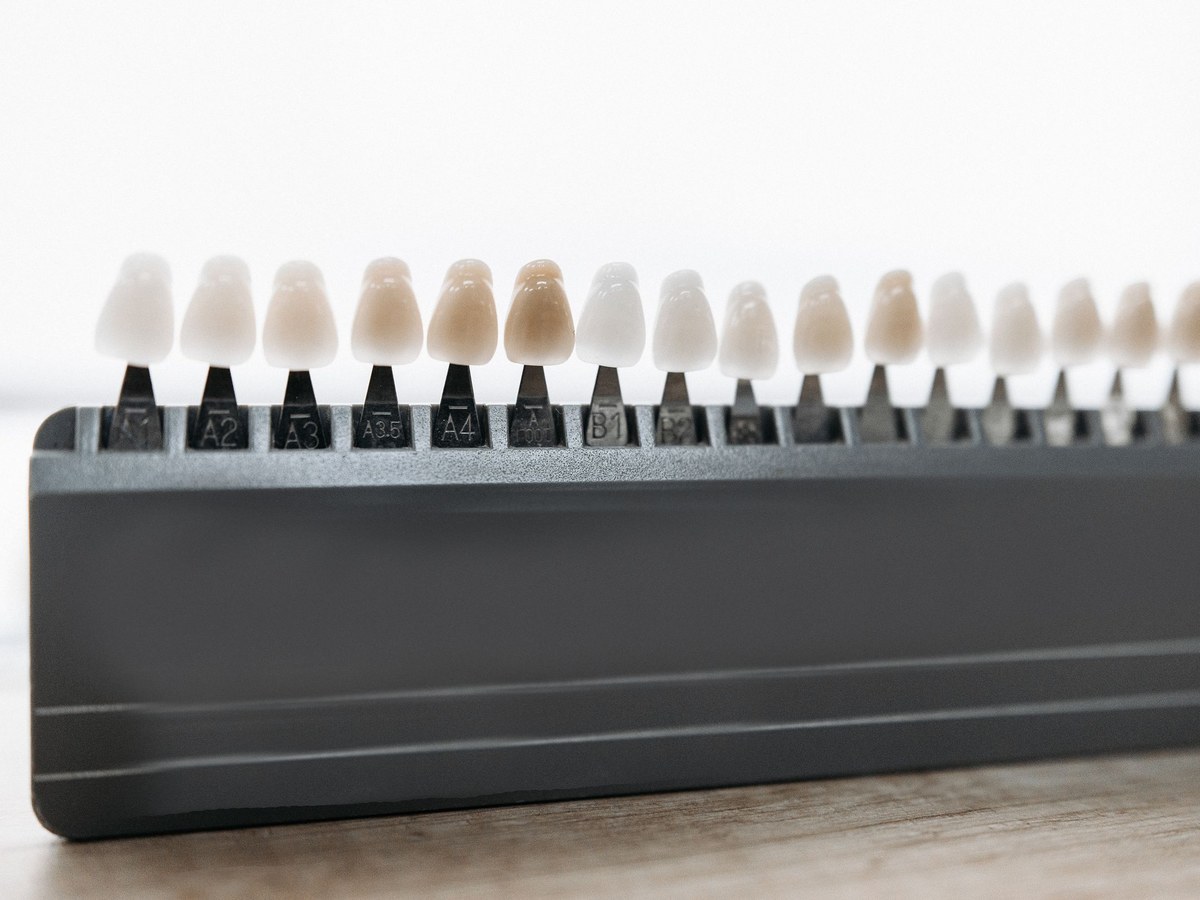
An experienced dentist will also review facial features, lip movement, and smile line. Teeth do not exist in isolation. A veneer that looks attractive on a shade guide can still look wrong if it is too long for the face, too square for the patient’s features, or too opaque under outdoor light.
Candidacy comes before commitment
Not everyone is a good candidate for veneers on day one. Sometimes the most responsible answer is “not yet.”
If the gums are inflamed, they need treatment first. If there is active decay, old leaking fillings, or cracked teeth, those issues take priority. If the patient clenches or grinds, the dentist may recommend a night guard as part of the long-term plan. In younger patients, especially those with larger pulp chambers or minimal wear, conservative alternatives may make more sense before preparing healthy enamel for porcelain.
This is also where the dentist discusses whether veneers should be limited to a few teeth or expanded to maintain symmetry. A single veneer on a front tooth can look beautiful, but matching one central incisor to the neighboring natural tooth is among the hardest tasks in cosmetic dentistry. Sometimes treating two front teeth gives a more predictable result. In other cases, four, six, or eight veneers create a balanced smile because the visible zone extends beyond the center of the mouth when the patient speaks or laughs.
The decision is not based on a magic number. It is based on visibility, proportion, and the specific problem being corrected.
Smile design is where the case is won or lost
Many patients think the preparation Veneers Oxnard CA appointment is the main event. In reality, smile design often determines whether the final result feels excellent or merely acceptable.
At this stage, the dentist gathers detailed records and maps out the desired changes. That can include digital smile design, a wax-up created by the lab, or a mock-up placed temporarily over the teeth so the patient can preview shape and length. Previewing matters. A half millimeter can change how youthful or aggressive a smile appears. Slightly rounding line angles can soften the look. Lengthening front teeth may improve the smile in photos, but too much length can affect speech, especially sounds like “f” and “v.”
This part of the process should feel collaborative. Patients are not expected to know technical terms, but they should be able to describe what they like and dislike. Some say, “I want my smile to look cleaner, but not fake.” Others bring old photos from their twenties because they want to restore a look they once had before wear and chipping changed the edges.
A thoughtful dentist translates those preferences into measurable design choices. That is one reason the best veneer cases often take more than two visits. Precision on the front end reduces regret later.
Preparing the teeth, conservatively and carefully
When the plan is finalized, the teeth are prepared. This is the step most patients worry about because they have heard dramatic stories about teeth being shaved down into pegs. In modern cosmetic dentistry, that image is often outdated or exaggerated.
For many porcelain veneer cases, preparation is conservative and measured in fractions of a millimeter. The exact amount depends on the starting position of the tooth, the color change desired, and the material selected. A dark tooth being lightened substantially may need more reduction than a naturally light tooth receiving a minor shape correction. A tooth that already sits slightly behind the others may need very little preparation because the veneer can be added without creating bulk.
Local anesthetic is commonly used, especially when multiple teeth are being prepared. The dentist removes only the amount of enamel needed to create space for the veneer and allow a natural emergence profile. That profile matters. If a veneer is too bulky near the gumline, it can trap plaque, irritate tissue, and look unnatural. Overprepared teeth create a different set of problems, including increased sensitivity and reduced enamel for bonding.
After preparation, the office takes final impressions or digital scans and sends them to the lab with photographs, shade information, and design notes. This communication is critical. Great ceramic work depends on a strong partnership between dentist and laboratory. The ceramist needs more than a basic shade tab. They need to understand the patient’s skin tone, neighboring tooth character, desired brightness, and whether the patient wants youthful translucency or a more uniform polished look.
Temporary veneers are more important than they look
Most porcelain veneer cases involve temporaries while the final restorations are being made. Patients sometimes assume temporaries are just placeholders. In practice, they can serve as a working test drive.
Temporary veneers allow the patient to evaluate length, speech, overall feel, and esthetic direction. They are not a perfect preview because the material differs from final porcelain, but they reveal a lot. If a patient suddenly notices that the front teeth feel too long when speaking, or the shape seems more square than expected, those notes can still be incorporated before the final veneers are fabricated.
This period also teaches patients how their new smile will function in daily life. Biting directly into a hard baguette, opening packaging with the front teeth, or chewing ice is risky behavior even with strong porcelain. Temporaries can be delicate, and that delicacy often helps patients develop better habits before the final bonding appointment.
A common question during this stage is whether soreness or sensitivity is normal. Mild sensitivity can happen, especially to cold, but significant pain is not something to ignore. The office should know if a temporary feels high, rough, or unstable. Bite adjustments during the provisional phase can prevent bigger problems later.
The lab phase, where craftsmanship still matters
This part of the process happens mostly behind the scenes, but it deserves attention because not all veneers are made to the same standard.
A skilled dental laboratory layers or mills the porcelain to fit the planned contours and shade. For front teeth, lifelike ceramics usually show variation. Natural enamel is not a flat block of white. It carries subtle translucency near the edges, depth toward the center, and tiny changes in value under different lighting. When veneers are over-whitened or made too monochromatic, they may photograph well in one setting yet look flat in person.
Patients shopping for Veneers Oxnard CA sometimes focus entirely on price, and price does matter, but the lab component is one reason fees can vary. Cases involving experienced ceramists, detailed customization, and multiple try-in refinements generally cost more than high-volume, standardized cosmetic work. That does not mean the highest fee guarantees the best result. It does mean that quality materials and expert laboratory artistry are real factors, not marketing fluff.
Try-in day is when details become obvious
When the veneers return from the lab, many dentists schedule a try-in before final bonding, especially for multi-unit esthetic cases. The veneers are placed with a try-in paste so the patient and dentist can evaluate shape, length, and shade. This is a critical checkpoint.
Tiny issues become visible here. One veneer may need a minor contour adjustment. A central incisor may need a slightly softer edge. A lateral may look a touch too bright under operatory lights but perfect in natural daylight. Experienced dentists know not to rush this stage. Front teeth sit in the center of the face. If something feels off, even if the patient cannot immediately explain why, it is worth pausing.
Some patients worry about seeming picky. For cosmetic dentistry, respectful honesty helps everyone. If the teeth feel too long, too square, too bright, or not bright enough, this is the time to say it. Bonding veneers permanently is a major commitment. Thoughtful offices expect conversation at this stage and welcome it.
Bonding is both technical and meticulous
Once the patient approves the veneers, the bonding appointment begins. This part is part science, part craftsmanship. The teeth are cleaned and isolated carefully. The dentist prepares the porcelain and the tooth surfaces using a bonding protocol designed for long-term retention. Precise moisture control matters. So does timing. So does the bonding resin shade selected beneath the veneer, because it can subtly influence the final appearance.
Each veneer is seated, excess cement is removed, and the restoration is cured into place. Then comes finishing. Contacts are checked. Margins are refined. Bite is adjusted in multiple positions, not just when the patient bites straight down. Front teeth guide movement when people speak, chew, and slide side to side. A veneer that looks gorgeous but carries heavy bite stress in the wrong spot may chip later.
This is also when patients often have their first emotional response to the new smile. Some are thrilled immediately. Others need a few days to adjust because even excellent changes can feel unfamiliar at first. That adjustment period is normal. Teeth that were once short and worn may now have proper length again, and the brain notices that difference before it accepts it.
The first weeks after placement
Porcelain veneers do not usually require a dramatic recovery period, but the first couple of weeks matter. Lips and tongue need time to adapt to subtle contour changes. Speech often settles quickly, especially if the design was tested well during temporaries. Gum tissue may need a short period to calm if multiple teeth were treated.
Patients are usually advised to avoid very hard biting with the front teeth right away and to keep an eye out for anything that feels uneven. A bite that seems fine in the chair can reveal a high spot during real meals. That is why follow-up matters. Small adjustments after delivery are common and often necessary.
The first few practical habits that protect veneers are simple:
- Use your back teeth for hard foods when possible.
- Wear a night guard if you clench or grind.
- Keep routine cleanings and exams on schedule.
- Avoid using teeth as tools.
- Call promptly if something feels loose, rough, or high.
Those basics sound unremarkable, but they have a direct impact on longevity.
How long veneers typically last, and what affects that timeline
Patients understandably ask how long veneers last. The honest answer is that there is no universal expiration date. Well-made porcelain veneers can last well over a decade, and many do, but lifespan depends on several variables. The quality of bonding, amount of remaining enamel, bite forces, oral hygiene, gum health, and patient habits all matter.
A patient with excellent home care, a stable bite, and a night guard may enjoy veneers for many years with minimal maintenance. Another patient who grinds heavily, skips recall visits, and frequently bites into hard foods with the front teeth may see chipping or debonding much sooner.
It is also worth noting that “lasting” does not always mean “needing no attention.” Veneers may remain intact while surrounding gum tissue changes, old bonding margins pick up stain, or adjacent untreated teeth darken over time. Sometimes the veneer itself is still functioning but no longer matches the rest of the smile as well as it once did. Maintenance in cosmetic dentistry is not failure. It is part of long-term ownership.
Cost questions deserve a straight answer
Fees for Veneers Oxnard CA vary based on the number of teeth treated, the complexity of the case, the material used, the skill of the laboratory, and whether additional care is needed first. That might include whitening, gum contouring, replacing old fillings, or making a night guard. Patients often compare quote to quote, but cosmetic dentistry is difficult to compare on price alone because the planning, preparation style, lab quality, and follow-up support can differ significantly between offices.
A very low fee can signal shortcuts in planning or materials. A very high fee should still be supported by clear reasoning, strong case documentation, and a process that reflects care rather than salesmanship. If a patient feels pressured to commit on the spot, that is usually a sign to slow down. Veneers are elective treatment. A reputable office should be comfortable answering questions about alternatives, maintenance, and limits.
Cases where veneers may not be the best first move
Sometimes the best cosmetic plan is not veneers, at least not immediately. A patient with healthy but crowded teeth may get a better, more conservative result from orthodontics first, then minor bonding or whitening. Someone with one discolored tooth after trauma may need internal bleaching or a crown instead, depending on the tooth’s condition. A patient whose main concern is overall color may be happy with professional whitening and enamel recontouring.
This matters because veneers involve commitment. Even conservative veneer preparation changes the tooth. That is not a reason to fear treatment, but it is a reason to make sure the indication is correct. The best cosmetic dentists do not sell veneers as the answer to every smile concern. They compare options and explain the trade-offs clearly.
Choosing the right dentist in Oxnard
Patients often ask what separates average veneer work from excellent veneer work. It is rarely one dramatic thing. It is usually a collection of disciplined choices: strong diagnostics, conservative preparation, realistic planning, careful lab communication, unhurried try-in evaluation, and follow-through after delivery.
When evaluating providers, patients should look for evidence of actual cosmetic cases, not just stock imagery or heavily filtered photos. Ask how the dentist plans cases, whether temporaries are used as prototypes, what type of lab they work with, and how bite is managed in patients who grind. A dentist who answers comfortably and specifically is usually a better sign than one who only emphasizes that the result will be “perfect.”
Trust also matters. Veneer treatment is part technical procedure, part esthetic collaboration. The patient should feel heard, not handled. That becomes especially important when discussing subjective preferences like brightness, shape, and how natural or polished the final result should look.
What a successful veneer process feels like
When the process is done well, the final smile does not just look whiter. It looks settled, proportional, and believable. The teeth fit the face. Speech feels normal. The patient stops thinking about where to place their lips in photos. Friends may notice that the person looks rested or more confident without immediately identifying the dental work.
That is often the mark of excellent veneers. They do not announce themselves. They restore harmony.
For anyone considering Veneers Oxnard CA, the real value of understanding the step-by-step process is not just knowing what appointment comes next. It is recognizing that quality cosmetic dentistry is built on judgment at every stage. The consultation shapes the plan. The design shapes the preparation. The temporaries shape the refinements. The bonding appointment locks in the details.
Rushed veneer cases can still look white. Thoughtful veneer cases look like they belong to the person wearing them. That difference is what patients live with every day, every time they laugh, speak, or see themselves in the mirror.
Oxnard Dentistry
1730 E Gonzales Rd, Oxnard, CA 93036, United States
+1 805-307-8731
FAQ About Veneers Oxnard CA
How long do porcelain veneers last?
Porcelain veneers can last for many years, but they can chip, loosen, or wear over time. Their lifespan depends on factors such as your bite, whether you grind your teeth, and daily care. Regular dental visits let your dentist check their condition.
Are dental veneers permanent?
Traditional veneers often require removing a small amount of enamel, so that change to the tooth is generally irreversible. Veneers can still need repair or replacement. Ask your dentist how much preparation your teeth would require.
How much do veneers cost in Oxnard?
Cost depends on the material, how many teeth you want treated, and whether you need other dental work first. Ask for a written estimate that explains the price per tooth and what is included.