Column · @wayloniytz947
Understanding the Wisdom Teeth Removal Procedure
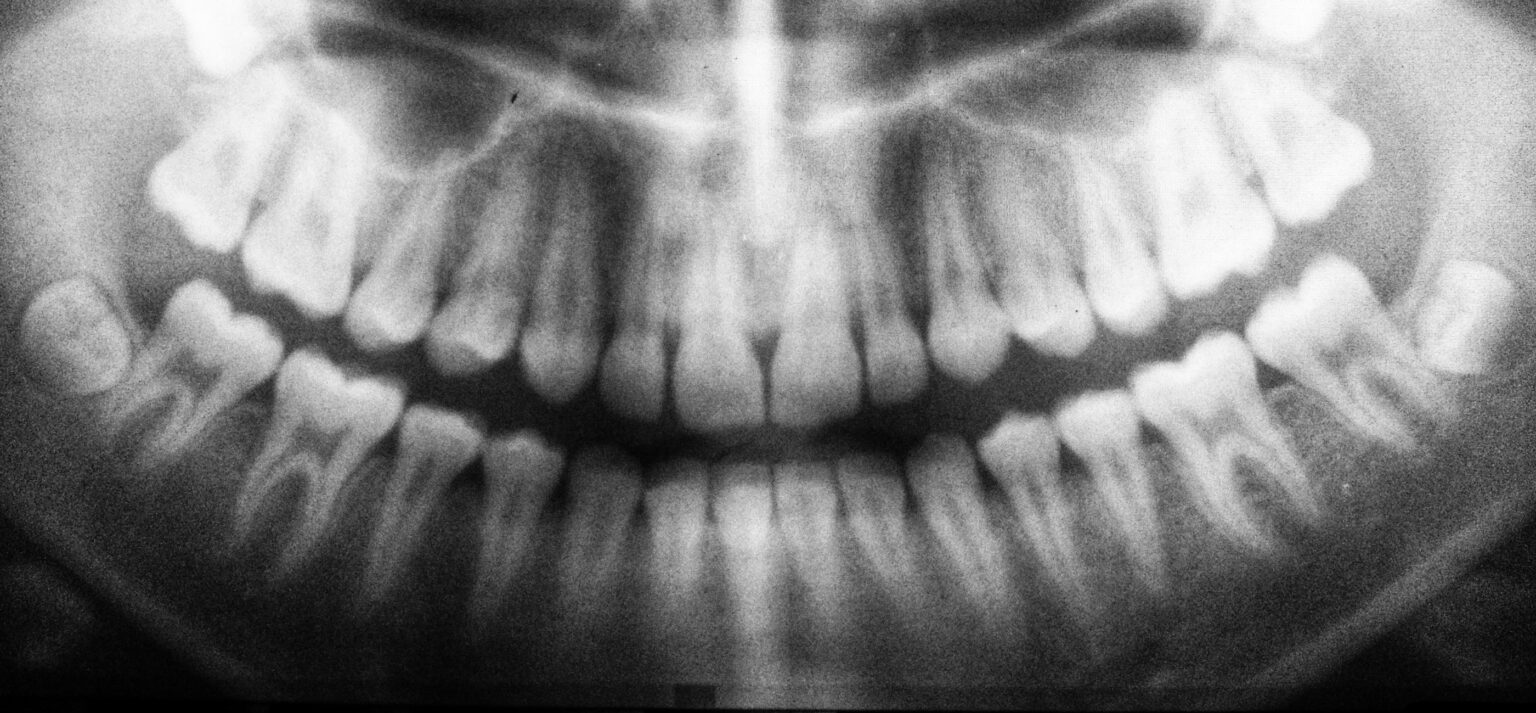
Wisdom teeth removal is one of the most common oral surgery procedures, yet it is also one of the most misunderstood. Many people hear they need their wisdom teeth out and imagine a dramatic, painful ordeal. Others assume that if the teeth are not hurting, there is no reason to think about them at all. The truth sits somewhere in the middle. Extraction can be straightforward or technically demanding, and the right timing depends on anatomy, symptoms, age, and long-term risk.
For patients, the hardest part is often not the procedure itself. It is the uncertainty around it. What exactly are wisdom teeth? Why do some people keep them while others need surgery? What happens during the appointment? How long does recovery really take, and what should raise concern afterward? A clear understanding of the process makes the experience far less intimidating and usually leads to a smoother recovery.
What wisdom teeth are, and why they cause trouble
Wisdom teeth are the third molars, the last teeth to develop and emerge. Most people have four, one in each back corner of the mouth, though some have fewer and some never develop them at all. They usually appear in the late teen years or early twenties, which is why they became associated with adulthood and, by extension, wisdom.
The problem is simple: modern jaws often do not have enough room for these extra molars. Anthropologists and dentists have long noted that human diets, jaw development, and genetics do not always line up in a way that allows third molars to erupt comfortably. When there is limited space, a wisdom tooth may come in partially, remain trapped under the gum, lean against the second molar, or stay buried in bone.
This is where trouble starts. A partially erupted wisdom tooth creates a pocket under the gum flap where bacteria and food debris collect. That area is difficult to clean even for patients with excellent brushing habits. Repeated inflammation, called pericoronitis, can cause pain, swelling, bad taste, and difficulty chewing. In other cases, an impacted tooth presses against the neighboring molar and contributes to decay, gum loss, or root damage.
Not every wisdom tooth is a problem. A fully erupted third molar that is cleanable, in the right position, and not harming surrounding structures can sometimes be monitored rather than removed. The challenge is that many wisdom teeth look quiet until imaging shows otherwise. A patient may feel fine, yet X-rays reveal that the tooth is angled into the second molar or trapped in a position likely to cause future issues.
When removal is recommended
There is no honest one-size-fits-all answer. Some patients need urgent extraction because of pain, infection, swelling, or damage to adjacent teeth. Others are advised to remove wisdom teeth before complications develop. That preventive approach is common, especially in late adolescence or early adulthood, because roots are often not fully formed and the surrounding bone is generally less dense, which can make surgery and recovery easier.
A dentist or oral surgeon usually looks at several factors at once: symptoms, gum health, tooth position, age, oral hygiene, and radiographic findings. A 17-year-old with impacted lower wisdom teeth pressing toward the second molars is a different case from a 42-year-old whose wisdom teeth have sat peacefully and cleanly for years.
There are also judgment calls. If a lower wisdom tooth lies close to the inferior alveolar nerve, removal may carry a higher risk of temporary or, rarely, long-term numbness in the lip, chin, or tongue area depending on anatomy. In those cases, the surgeon balances the risk of surgery against the risk of leaving the tooth in place. Sometimes a modified approach is considered. Sometimes watchful monitoring is more sensible. Good oral surgery is not about reflexively removing every third molar. It is about selecting the right treatment for the person in front of you.
The consultation and imaging
The process Wisdom Teeth Removal usually begins with an exam and panoramic X-ray. That broad image shows the position of all four wisdom teeth, the shape of the roots, the amount of bone covering them, and their relationship to nearby teeth and major nerves. If the anatomy looks unusually close to a nerve or sinus, a 3D scan may be recommended for more detail.
During the consultation, the surgeon should explain what they see in plain language. Patients deserve to know whether the teeth are fully erupted, partially erupted, soft tissue impacted, or fully impacted in bone. They should also understand the likely level of difficulty. A simple extraction of an erupted upper wisdom tooth is not the same procedure as removing a deeply impacted lower tooth that lies horizontally under the gum and bone.
This is also the time to review medical history. Bleeding disorders, heart conditions, asthma, diabetes, pregnancy, sleep apnea, and medications such as blood thinners or certain osteoporosis drugs can affect planning. Even a detail that seems minor, such as a history of severe nausea after anesthesia, matters. It can change how sedation is approached and what medications are prescribed afterward.
Patients often ask one practical question first: do all four need to come out at once? In many cases, yes, especially if several are impacted and the patient prefers one recovery period. In other situations, removing only the problematic teeth may be appropriate. There is no prize for doing more surgery than necessary.
Types of anesthesia and sedation
Anxiety around Wisdom Teeth Removal often centers on fear of pain during the procedure. With modern local anesthesia and sedation options, most patients feel pressure and movement rather than sharp pain. The right choice depends on the complexity of the case, the patient’s health, and their comfort level.
The common options include:
- Local anesthesia alone, where the area is numbed and the patient remains fully awake.
- Nitrous oxide with local anesthesia, useful for mild anxiety and shorter procedures.
- IV sedation, which places the patient in a deeply relaxed state with little or no memory of the surgery.
- General anesthesia in select settings and cases, typically reserved for specific medical or surgical needs.
For straightforward erupted teeth, local anesthetic may be sufficient. For multiple impacted wisdom teeth, IV sedation is often preferred because it improves comfort, reduces awareness of the procedure, and makes it easier for the surgeon to work efficiently. Patients sometimes describe the experience as feeling like they closed their eyes and then it was over.
It is worth saying plainly that sedation has rules. Fasting instructions matter. So does arranging a responsible adult to drive and stay with the patient afterward when required. A surprising number of problems begin not in the operatory, but when someone ignores pre-op guidance and arrives having eaten breakfast before IV sedation.
What happens during the procedure
The actual surgery follows a sequence that is predictable even when the technical details vary from tooth to tooth. Once the patient is numb and, if chosen, sedated, the surgeon gains access to the tooth. If the wisdom tooth is erupted, it may be loosened and removed with instruments designed to apply controlled pressure. If it is impacted, the gum is opened to expose the tooth and bone may be carefully removed around it.
Lower impacted wisdom teeth often need to be sectioned into smaller pieces before removal. That sounds alarming to patients, but it is routine and usually gentler than trying to force a whole tooth out through limited space. Sectioning allows the surgeon to remove the tooth with less bone removal and less stress on surrounding structures.
After the tooth is out, the site is cleaned, sometimes smoothed, and often closed with sutures. Some stitches dissolve on their own. Others may need removal later, though many modern oral surgery practices use dissolvable sutures for convenience.
The entire appointment may take less than an hour, but that number can be misleading. Simple extractions of four erupted wisdom teeth can move quickly. Four difficult impactions may take longer. Surgical skill matters here more than patients realize. Efficiency is not about rushing. It is about thoughtful technique, careful tissue handling, and good control of bleeding and access.
What the patient usually feels right after surgery
The immediate postoperative period is a blur for many sedated patients. They wake up groggy, with gauze in place, a numb mouth, and little sense of how much time passed. Family members or friends often remember more than the patient does.
Swelling generally begins the same day and tends to peak around the second or third day. That pattern is normal and often catches people off guard because they expect each hour to feel better than the last. It usually does not work that way. Day one may feel manageable because the area is still numb and inflammation is just starting. Day two is frequently the least comfortable. By days three to five, most patients notice the trend turning in the right direction.
Pain levels vary. A healthy young patient with partially erupted upper wisdom teeth may bounce back quickly. Someone with deeply impacted lower teeth may need several days of prescription-strength pain control followed by over-the-counter medication. Good surgeons try to set realistic expectations rather than promising a painless recovery. Recovery is often very manageable, but it is still surgery.
The first few days of recovery
The details of recovery matter more than many patients realize. Most postoperative calls to oral surgery offices trace back to a few predictable issues: poor hydration, not taking medication on schedule, eating the wrong foods too early, or doing something that disturbs the clot forming in the extraction site.
The first day is largely about rest, bleeding control, fluids, and staying ahead of discomfort. A small amount of oozing is common. So is stiffness in the jaw. Ice packs can help limit swelling during the first 24 hours. After that, warmth may be more soothing for muscle tightness.
Food should be soft, cool or lukewarm, and easy to swallow without much chewing. Yogurt, smoothies eaten with a spoon, soup that is not hot, scrambled eggs, mashed potatoes, and oatmeal are common choices. Patients often assume they will be ravenous after fasting, then discover they mainly want something easy and bland for a day or two.
Oral hygiene is another balancing act. The mouth should not be neglected, but the surgical sites should not be aggressively disturbed. Gentle rinsing, often with warm salt water starting the day after surgery if the surgeon recommends it, helps reduce debris. Brushing the other teeth normally is important. The back sites simply need extra care.
Dry socket, infection, and what deserves attention
Dry socket is the complication patients fear most because it is widely discussed online and often described in dramatic terms. It occurs when the blood clot in the extraction site breaks down or is lost too early, exposing underlying bone. This can lead to intense, throbbing pain that often begins a few days after surgery, sometimes radiating toward the ear or temple. It is more common in lower extractions than upper ones.
Smoking is a major risk factor. So is vigorous spitting, using straws too early, or anything else that creates suction and disrupts healing. Some patients do everything right and still develop dry socket, but preventable risk plays a real role. When it occurs, the treatment is usually not another surgery. The surgeon cleans the area and places a soothing dressing, which often brings fast relief.
Infection is less common than many people think, especially when postoperative instructions are followed and the surgery was cleanly performed. Still, it can happen. Increasing swelling after the expected peak, fever, foul drainage, or steadily worsening pain should prompt a call to the office. Mild bad breath in the early days is not unusual. Progressive swelling and feeling systemically unwell are different.
The warning signs most worth knowing are these:
- Bleeding that remains heavy despite firm gauze pressure
- Pain that sharply worsens after initially improving
- Swelling that increases significantly after day three
- Fever, chills, or pus-like drainage
- Numbness that persists beyond the timeframe your surgeon discussed
Most postoperative concerns turn out to be manageable and not dangerous, but patients should never feel they are bothering the surgical team by asking. Good follow-up is part of good care.
Why age affects the experience
One of the strongest patterns in wisdom teeth surgery is that younger patients often recover more easily. This is not absolute, but it is common. In the late teens and early twenties, the roots may be less developed and the bone often less dense. The teeth can be easier to remove, and healing may Wisdom Teeth Removal be quicker.
That does not mean every adult over 30 faces a difficult course. Plenty do well. It does mean the margin for an easy preventive extraction tends to narrow over time. Roots fully mature. Bone becomes less forgiving. Existing gum disease or decay may complicate what would have been a simpler decision years earlier.
This is one reason dentists sometimes recommend evaluation before symptoms begin. It is not always about rushing to surgery. It is about understanding the map while the choices are still relatively open.
Cases that are more nuanced than they seem
Wisdom Teeth Removal can look deceptively simple from the outside. A patient may have no pain and still have a tooth that threatens the second molar. Another may have intermittent swelling from a partially erupted lower tooth but a high surgical risk because of nerve proximity. A third may have upper wisdom teeth close to the sinus, where removal can occasionally create a communication between the mouth and sinus that needs careful management.
Pregnancy can also complicate timing. If there is severe infection or uncontrolled pain, dental treatment may still be necessary, but elective surgery is often timed around obstetric guidance and urgency. Patients with clotting disorders or complex medical conditions may need coordination with physicians. Those details rarely make it into casual conversations, but they shape real treatment decisions every day.
There is also the question of whether all impacted wisdom teeth should be removed prophylactically when they are symptom-free. Reasonable professionals may differ in some cases. What matters is that the recommendation be based on visible anatomy, long-term risk, and patient-specific factors, not habit alone.
Practical preparation before the appointment
The smoothest recoveries usually begin before the surgery. Patients who prepare their home setup, medications, food, and transportation in advance tend to feel less overwhelmed afterward. The surgery itself may be short, but the first evening can feel longer than expected if the patient is trying to fill prescriptions, find soft food, and remember instructions while still groggy.
A short preparation checklist helps:
- Fill prescriptions before the procedure if your office allows it.
- Stock soft foods and plenty of fluids for several days.
- Arrange transportation and, if needed, someone to stay with you.
- Wear comfortable clothing and follow all fasting instructions exactly.
- Plan a light schedule for at least a couple of recovery days.
That last point deserves emphasis. Many healthy young adults assume they will be back to normal by the next morning. Some are. Many are not. It is wiser to clear the calendar and be pleasantly surprised than to schedule work, school, or travel too tightly.
What healing looks like over the next weeks
By the end of the first week, most patients are noticeably better. Swelling has begun to drop, eating is easier, and the extraction sites feel less tender. If sutures are dissolvable, they may loosen or fall out around this time. Jaw stiffness can persist a bit longer, especially after difficult lower extractions.
The sockets themselves take much longer to fully fill in than most people expect. Surface healing happens first. Bone remodeling continues for weeks and sometimes months. Food can collect in lower extraction sites after surgery, particularly if the teeth were deeply impacted. That can be annoying but not necessarily abnormal. Some surgeons provide an irrigation syringe later in the healing process to help flush debris once the tissue is ready.
A patient can feel mostly recovered while the body is still quietly repairing bone and gum underneath. That mismatch often explains why the mouth can seem fine overall, yet one socket still feels odd for a while. Healing is not always linear, but it should trend steadily toward normal.
The role of communication and trust
What patients remember most positively is rarely the technical language of the consultation. It is whether they felt informed, heard, and prepared. The best oral surgeons explain both the routine and the exceptions. They do not dramatize the procedure, but they also do not minimize it. They tell patients what is likely, what is possible, and what would make them want a phone call afterward.
That kind of communication matters because wisdom tooth surgery sits at an awkward intersection. It is common enough that people may underestimate it, yet personal enough that fear and uncertainty can loom large. When the process is explained clearly, most of that tension eases. Patients understand why the recommendation was made, what will happen on the day of surgery, and what recovery should realistically look like.
Wisdom Teeth Removal is, at its core, a problem-solving procedure. It removes teeth that have outgrown the space available, prevents damage that can be difficult to reverse later, and relieves conditions that make the back of the mouth painful or impossible to keep clean. For some patients, it is urgent. For others, it is preventive. Either way, a thoughtful plan and good surgical judgment make all the difference.
For anyone facing the procedure, the most useful mindset is not panic and not complacency. It is informed realism. Ask what the X-rays show. Ask why removal is or is not advised. Ask how difficult the surgery is expected to be and what recovery is likely to involve in your case. Those answers are far more valuable than generic stories from friends, because third molars are small teeth with a remarkable talent for creating very individual problems.
Oxnard Dentistry
1730 E Gonzales Rd, Oxnard, CA 93036, United States
+1 805-307-8731
FAQ About Wisdom Teeth Removal
How painful is it to remove a wisdom tooth?
Local anesthetic numbs the area during extraction. Pressure may still be noticeable; tell the dentist if you feel pain. Soreness and swelling afterward are common. Follow the pain-control instructions provided for your situation.
How long is recovery for wisdom teeth extractions?
Recovery varies with the tooth position and complexity of the extraction. Some people resume routine activities quickly, while others need several days of rest. Soreness, swelling and jaw stiffness can last up to two weeks. Follow your clinician's aftercare and activity advice.
What are the risks of wisdom tooth removal?
Possible complications include dry socket, infection, persistent bleeding and changes in sensation from nearby nerve injury. Your dentist or oral surgeon should explain your individual risks before treatment. Seek prompt dental advice for bleeding that will not stop, fever, or severe or worsening pain and swelling.