Column · @wayloniytz947
When Is the Best Time for Wisdom Teeth Removal?
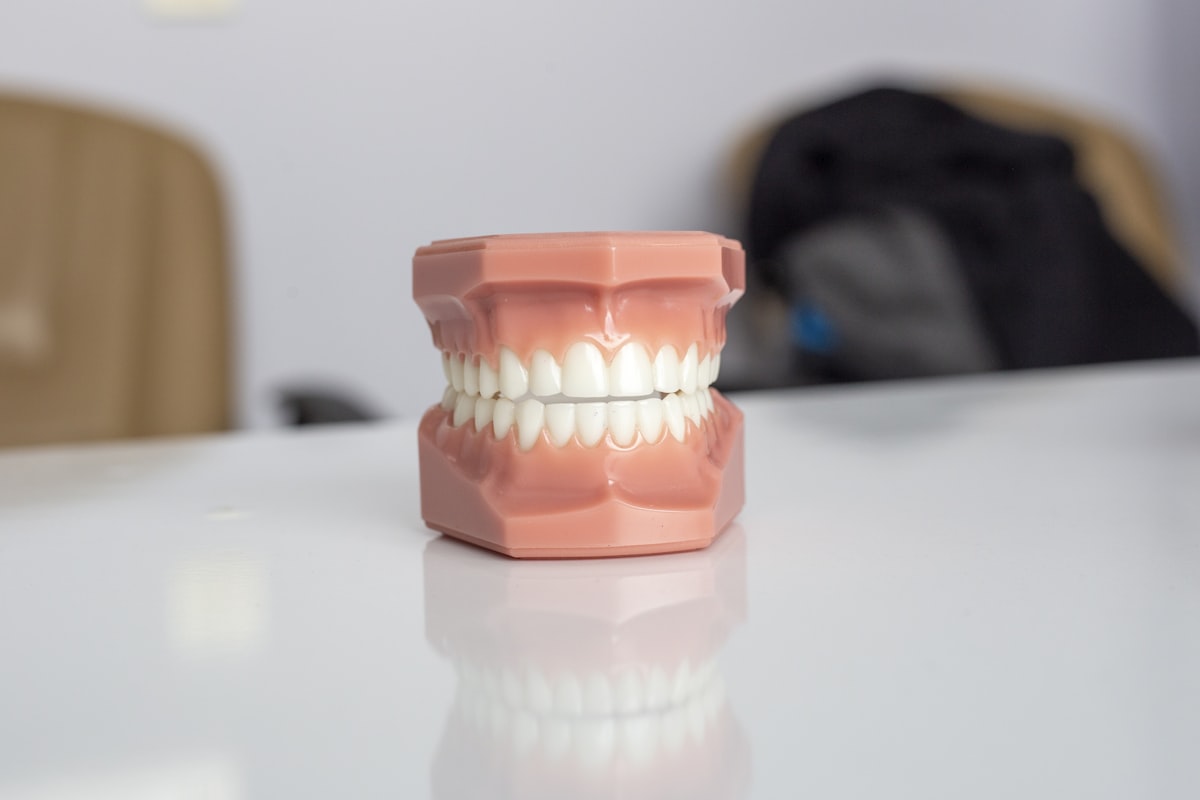
Timing matters more than most people realize when it comes to wisdom teeth. I have seen patients breeze through recovery with little more than a few quiet days at home, and I have seen others wait until a tooth flares up on a holiday weekend, the gum swells shut, and what could have been a planned procedure turns into an urgent one. The question is not simply whether wisdom teeth should come out. It is often when they should come out, and whether there is any advantage to acting before they cause obvious trouble.
The short answer is that there is no single age or date that fits everyone. The best time for wisdom teeth removal depends on how those teeth are developing, whether there is enough room for them, your age, your oral health, and whether you are already having symptoms. That said, there are clear patterns. In many cases, the ideal window is during the mid to late teens or early twenties, before the roots fully mature and before complications start to build. But that rule has exceptions, and those exceptions are worth understanding.
Why timing changes the experience
Wisdom teeth, also called third molars, are the last adult teeth to develop. They usually begin to emerge sometime between the late teens and mid twenties, though some never erupt fully and some never form at all. Because they arrive last, they often face a crowded jaw. If there is not enough space, they may stay trapped under the gum, emerge at an angle, press against neighboring teeth, or partially break through and create a pocket that traps food and bacteria.
That timing issue matters because younger bone tends to be a bit more forgiving, roots are often not fully formed, and healing is generally smoother in healthy younger patients. A 17 year old with a lower wisdom tooth that is tilted forward and likely to impact the second molar is often easier to treat than a 34 year old with the same problem plus decay, inflamed gum tissue, and denser bone. The surgery itself may not be dramatic in either case, but the path to getting there is usually simpler earlier on.
Patients often assume that no pain means no problem. That is not always true. Some impacted wisdom teeth are completely silent while still causing damage. They can contribute to decay on the back of the second molar, create recurrent gum infections, or develop cystic changes around the crown. On the other hand, some wisdom teeth are perfectly healthy, fully erupted, easy to clean, and worth keeping. Timing only makes sense after a careful exam and imaging, usually with a panoramic X ray and, in selected cases, a 3D scan.
The age window that often works best
For many patients, the sweet spot for Wisdom Teeth Removal falls between about 16 and 22. That range is not magic, but it is practical. By then, the dentist or oral surgeon can usually see the position and direction of the wisdom teeth clearly enough to predict whether they are likely to erupt normally or become a problem. At the same time, the roots may still be only partly formed, which often makes removal less complex.
When roots are only one half to two thirds developed, extraction can be technically easier. Wisdom Teeth Removal There is often less resistance from the surrounding bone, and the risk of the roots being wrapped around nearby structures can be lower. For lower wisdom teeth, one of the important nearby structures is the inferior alveolar nerve, which runs through the jaw and gives sensation to the lower lip and chin. As roots mature, their relationship to that nerve sometimes becomes closer, which can raise the complexity of surgery.
Healing also tends to be more predictable in younger patients. That does not mean older adults heal poorly. Many do very well. But if you compare large groups, younger patients generally have fewer complications, less post operative stiffness, and a lower rate of dry socket and delayed healing. The difference is not absolute, yet it is real enough that oral surgeons routinely consider age when advising on timing.
When waiting makes sense
There is a tendency in public discussion to treat wisdom teeth as if they all need to come out. That is too simplistic. Some wisdom teeth erupt fully, line up well, have healthy gum tissue around them, and can be brushed and flossed effectively. If they are functional, disease free, and not harming adjacent teeth, there may be no immediate reason to remove them.
Observation can also make sense when the tooth is deeply impacted, symptom free, and not showing signs of pathology on imaging. In those cases, the decision becomes more nuanced. You weigh the current lack of disease against the possibility of future trouble, and you also consider the fact that surgery becomes less convenient with age. Good judgment here is less about blanket rules and more about careful surveillance. That means regular dental exams and updated imaging when recommended.
I have met plenty of adults in their forties and fifties who still have one or two quiet wisdom teeth that have caused no trouble. I have also met adults who were told years earlier to “just leave them” and later lost part of the second molar because decay developed in a spot nobody could clean. Both stories are common enough to keep clinicians humble.
Signs that the best time is now, not later
Symptoms change the timeline. Once a wisdom tooth starts causing repeated inflammation or infection, the best time is usually sooner rather than later, assuming it is safe to proceed. Delaying after the pattern is clear rarely improves the situation.
The clearest warning signs include the following:
- Recurrent swelling or infection around a partially erupted tooth
- Pain when biting or pressure against the neighboring molar
- Decay in the wisdom tooth or the tooth in front of it
- Cysts, bone loss, or other changes seen on imaging
- Gum pockets that are difficult or impossible to keep clean
Pericoronitis is a classic example. This is inflammation of the gum tissue over a partially erupted wisdom tooth, most often a lower one. Food and bacteria collect under the flap of tissue, the area becomes sore, and sometimes the swelling gets so pronounced that chewing is difficult. It may settle down with irrigation, better cleaning, and occasionally antibiotics, but if it keeps coming back, that is not a stable situation. It is a sign that the tooth’s position is working against the mouth’s ability to stay healthy.
Decay is another major factor. A wisdom tooth that erupts only partway can be hard to brush. The bigger problem is often the tooth in front of it. If the wisdom tooth leans forward, it creates a trap at the back of the second molar where plaque thrives and decay begins in a place that is hard to notice until it is advanced. At that point, waiting can cost more than the extraction. It can cost the health of the adjacent tooth.
Why many surgeons prefer elective removal over emergency removal
Elective surgery has advantages that patients often underestimate. When Wisdom Teeth Removal is planned, the mouth is usually calm. There is time to choose a convenient date, review medical history, arrange time off, and prepare for recovery. Swollen infected tissue is less common, mouth opening is usually normal, and anesthesia planning is straightforward.
Emergency removal can be different. If there is acute infection, severe trismus, or significant swelling, sometimes the first step is to stabilize the problem rather than operate that day. Not every acutely painful wisdom tooth should be removed immediately in the middle of a flare. In some cases, local measures, drainage, or medication come first, and surgery follows once inflammation settles. Patients are often surprised to hear that. They assume pain automatically means instant extraction, but acute infection can make the procedure and early recovery tougher.
There is also the practical matter of life timing. College breaks, slower work periods, and times when athletic schedules are lighter often make good sense. For teenagers, summer is a common choice because there is more flexibility to recover without missing school. For adults, the best week is often the Wisdom Teeth Removal one where they do not need to give a presentation, take a long flight, or care for small children alone the next morning. The biology matters, but logistics matter too.
What happens if you wait into your thirties or beyond
Adults in their thirties, forties, and older can absolutely have wisdom teeth removed successfully. The idea that there is a hard cutoff is false. Still, older age can bring a few realities that deserve plain language.
Bone tends to become denser with age, roots are fully formed, and the teeth may be closer to important structures. Healing can take a bit longer, and post operative stiffness may be more noticeable. There is also a higher chance that the reason for surgery is not prevention but active disease, such as decay, gum problems, or damage to neighboring teeth. That means the situation being treated is often more complicated than it would have been years earlier.
Dry socket, while possible at any adult age, seems to be more common in older patients, especially after lower extractions. Periodontal healing behind the second molar can also be less ideal if a lower wisdom tooth has been impacted for years. None of this means older adults should avoid treatment. It means they should go in with realistic expectations and a well thought out plan.
I often tell adults that their age is only one variable. A healthy 38 year old nonsmoker with straightforward anatomy may recover more easily than a medically complex 22 year old who vapes heavily and does not follow post operative instructions. Numbers matter, but habits and health history matter too.
The role of imaging and specialist judgment
The best timing decision is usually made after looking at the actual anatomy, not just the birthday. A panoramic X ray gives a broad view of the jaws and can show whether wisdom teeth are vertical, tilted, trapped in bone, pressing on adjacent teeth, or sitting near the nerve canal. In some cases, especially when a lower wisdom tooth appears close to the nerve, a cone beam CT scan adds useful detail.
This is where experience matters. A clinician who removes wisdom teeth regularly can often identify patterns that are hard to explain in a short appointment but easy to recognize after years of seeing them. A lower third molar that is mesioangular, partly erupted, and already creating a periodontal defect behind the second molar has a different future than an upper third molar that erupted straight and cleans easily. Those are not interchangeable situations, and they should not be managed with the same script.
There are also edge cases. Some patients lack one or more wisdom teeth altogether. Some have upper wisdom teeth that are harmless but lower ones that are problematic. Some have orthodontic histories that complicate the conversation, though it is worth noting that removing wisdom teeth is not a guaranteed method of preventing crowding of the front teeth. That belief has persisted for years, but the relationship is not that simple.
Recovery timing matters too
When people ask about the best time, they often mean the calendar as much as the age. From a practical standpoint, choose a time when you can slow down for several days. Most people need two to four quieter days after routine Wisdom Teeth Removal, though recovery varies depending on the number of teeth, degree of impaction, and type of work they do. Someone with a desk job may be back quickly. Someone whose job involves public speaking, heavy lifting, or long shifts may want more buffer.
Swelling commonly peaks around the second or third day. That surprises patients who expect each hour to feel better than the last. Mild oozing the first day is normal. Limited jaw opening is also common, especially after lower impacted teeth are removed. If you smoke or vape, healing is more likely to be rougher, and your risk of dry socket goes up significantly. If you are planning the surgery around a major event, give yourself more time than you think you need.
The patients who do best usually plan for a low drama recovery. They fill prescriptions ahead of time, stock soft foods, arrange a ride, and clear their schedule. They do not try to be heroic the next day.
A simple preparation checklist helps:
- Schedule the procedure when you can rest for at least two or three days
- Ask what kind of anesthesia is planned and whether you need to fast
- Prepare soft foods, ice packs, and any prescribed medications in advance
- Arrange transportation if you will receive sedation
- Follow the post operative instructions exactly, especially on rinsing, smoking, and activity
Teenagers, college students, and working adults each face different timing pressures
For teenagers, the decision often happens before symptoms begin. Parents may wonder why surgery is being discussed when their child feels fine. In many of those cases, the recommendation is based on the position of the teeth and the expectation that later removal will be harder. If the imaging clearly shows impaction, repeated problems are likely, and the teen is otherwise healthy, earlier removal can be sensible.
College students are a special group because the practical timing can overshadow the biology. I have seen students postpone surgery through multiple semesters until a lower wisdom tooth becomes infected during exams. That is miserable and unnecessary if the problem was already predictable. School breaks are popular for a reason. They offer enough recovery time without academic disruption.
Working adults often postpone for work obligations, especially if the teeth are only mildly symptomatic. That can be understandable, but it helps to be honest about the pattern. If you are getting food trapped around the same tooth every week, rinsing it out after meals, and dealing with recurring tenderness, you are not really “waiting without problems.” You are managing an active one.
Questions worth asking before you decide
A useful consultation is not just about whether to remove the teeth. It is about why now, why not later, and what specific risks apply in your case. Ask how much room the teeth have, whether the roots are fully formed, whether there is any sign of harm to the second molars, and how close the lower teeth are to the nerve. Ask what the recovery is likely to be for your anatomy, not for some average patient.
The answers should feel individualized. “Everyone gets them out” is not a strong reason. Neither is “they have never bothered you” if the X ray already shows damage in progress. Good advice usually sounds more specific than that.
So, when is the best time?
For many people, the best time for wisdom teeth removal is before repeated symptoms start, often in the late teens or early twenties, when the roots are not fully developed and recovery tends to be easier. If the teeth are clearly impacted, hard to clean, threatening adjacent teeth, or causing infections, waiting usually offers little benefit. If they are fully erupted, healthy, and maintainable, observation may be reasonable with regular follow up.
The real answer is less about a birthday and more about a pattern. Is the tooth likely to become a problem, or is it already one? Are you removing it under calm, elective conditions, or waiting for the mouth to force the issue? Once you frame the decision that way, the timing often becomes much clearer.
Oxnard Dentistry
1730 E Gonzales Rd, Oxnard, CA 93036, United States
+1 805-307-8731
FAQ About Wisdom Teeth Removal
How painful is it to remove a wisdom tooth?
Local anesthetic numbs the area during extraction. Pressure may still be noticeable; tell the dentist if you feel pain. Soreness and swelling afterward are common. Follow the pain-control instructions provided for your situation.
How long is recovery for wisdom teeth extractions?
Recovery varies with the tooth position and complexity of the extraction. Some people resume routine activities quickly, while others need several days of rest. Soreness, swelling and jaw stiffness can last up to two weeks. Follow your clinician's aftercare and activity advice.
What are the risks of wisdom tooth removal?
Possible complications include dry socket, infection, persistent bleeding and changes in sensation from nearby nerve injury. Your dentist or oral surgeon should explain your individual risks before treatment. Seek prompt dental advice for bleeding that will not stop, fever, or severe or worsening pain and swelling.