Column · @wayloniytz947
Wisdom Teeth Removal: 15 Recovery Mistakes to Avoid
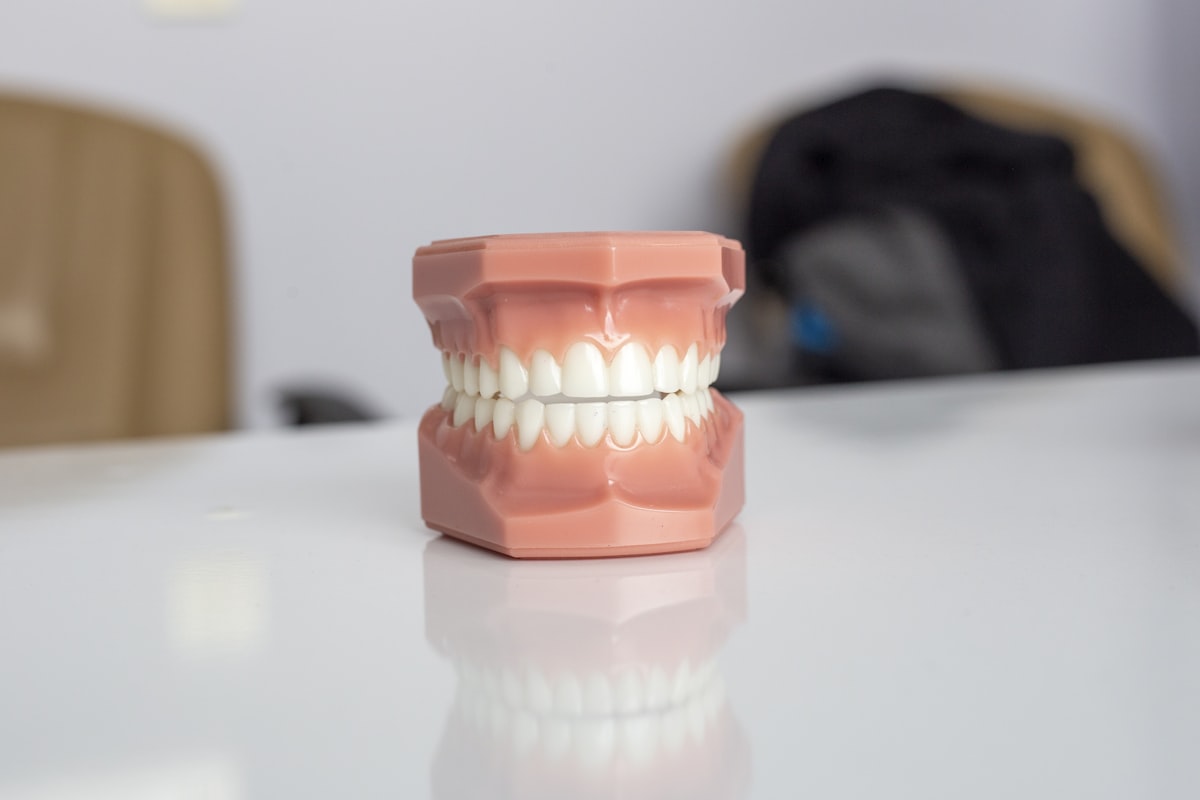
Wisdom Teeth Removal is routine, but recovery has a way of punishing small lapses in judgment. Most people do not run into trouble because the surgery itself went badly. They struggle because they underestimate the first few days afterward. A little overconfidence, one rushed meal, one skipped dose, one hard rinse, and a manageable recovery can turn into a painful, anxious week.
I have seen the same pattern repeatedly. Patients come in expecting a simple bounce back, then get blindsided by swelling, jaw stiffness, bleeding that seems dramatic but is often normal, or pain that spikes because they pushed too hard too soon. The good news is that many setbacks are preventable. The bad news is that the most common mistakes tend to happen when people feel just well enough to ignore instructions.
The recovery window after Wisdom Teeth Removal is not complicated, but it is unforgiving. Your body is trying to form and protect blood clots in the sockets, control inflammation, and begin tissue repair. Anything that disrupts that process can slow healing or raise the odds of complications like dry socket, infection, prolonged bleeding, or severe soreness. These are the 15 mistakes that cause the most problems, and what to do instead.
The first mistake happens early, before the numbness wears off
A surprising number of recovery problems begin in the first few hours. Mistake one is assuming that if you feel okay right after the procedure, you do not need to rest. Anesthesia, sedation, and local numbing can mask the body’s stress response. You may not feel much pain yet, but the surgical sites are still fresh, and bleeding can restart if you become too active. Patients who head straight to errands, work calls, or social plans often regret it that night.
Mistake two is waiting too long to start pain control. This does not mean taking medication recklessly. It means following the plan your oral surgeon or dentist gave you before the discomfort ramps up. Once pain is intense, it is harder to get ahead of it. The people who do best usually stay on schedule during the first day rather than chasing pain after it has peaked.
Mistake three is eating or drinking carelessly while numb. This sounds minor until someone bites their cheek, burns the inside of the mouth with hot soup, or tries to chew on the surgical side without realizing they cannot feel where their teeth are landing. If your lip, tongue, or cheek still feels thick and heavy, stick with cool or room-temperature liquids and very soft foods, and take your time.
Dry socket often starts with habits that seem harmless
Dry socket is one of the most dreaded complications after Wisdom Teeth Removal, partly because the pain can be sharp, deep, and out of proportion to how the mouth looks. It happens when the protective blood clot in the extraction site is lost too early or fails to form well. Not every case is preventable, but many are linked to behavior in the first several days.
Mistake four is using a straw. The suction may seem mild, especially with a smoothie or iced coffee, but it can disturb the clot when the socket is most vulnerable. Patients often think one quick sip cannot matter. Unfortunately, dry socket does not care whether the decision felt reasonable at the time.
Mistake five is smoking or vaping too soon. This is one of the biggest troublemakers in oral surgery recovery. Nicotine constricts blood vessels and can interfere with healing, while the sucking motion and heat add another layer of irritation. Some patients try to negotiate with this advice by taking smaller puffs or switching from cigarettes to a vape. In practice, that still creates risk. If there is one stretch of time worth being strict about, it is the first few days after surgery.
Mistake six is rinsing too vigorously. People notice a bad taste, a little oozing, or a food particle and immediately want to clean the area aggressively. That impulse makes sense, but the socket is not a wound you scrub. Early on, forceful swishing can dislodge the clot. When your surgeon says to rinse gently, they mean gently enough that the liquid moves around the mouth without pressure.
Mistake seven is spitting hard. This is the cousin of the straw mistake. Patients often try to clear saliva or blood from the mouth by forcefully spitting into the sink. That pressure can be enough to disturb healing. In the first day or two, it is better to let saliva dribble out if needed or simply swallow normally unless your instructions say otherwise.
Food choices matter more than most people expect
Most people understand they need soft foods, but the details get them into trouble. Mistake eight is eating foods that are technically soft but still risky. Rice, small seeds, chips softened in salsa, crusty bread torn into rough pieces, and crumbly cookies can all work their way into extraction sites. Even if they do not cause an infection, they can irritate the area and create a lot of anxiety when patients cannot tell whether they are seeing food debris or tissue.
Mistake nine is advancing the diet too fast because appetite has returned. Appetite is not the same as readiness. I have seen people tackle pizza on day two because they were tired of pudding, only to spend the evening with throbbing pain and limited mouth opening. A better approach is to move from liquids to spoon-soft foods, then to gentle chewing on the opposite side when comfort allows. Scrambled eggs, yogurt, mashed potatoes, oatmeal once it is not too hot, applesauce, and smooth soups tend to be kinder than foods that require tearing, crunching, or wide jaw movement.
There is also a less obvious version of this mistake, not eating enough at all. Patients sometimes avoid food because they are afraid of disrupting the sites, then end up weak, nauseated, and more uncomfortable because they are taking medication on an empty stomach. Healing is easier when the body has fluid, calories, and some protein. A recovery diet does not need to be exciting, but it should be sufficient.
Cleaning the mouth takes judgment, not aggression
Oral hygiene after Wisdom Teeth Removal is a balancing act. Leave the mouth untouched, and plaque builds up, the taste worsens, and the gums become more irritated. Overdo it, and you can traumatize healing tissue.
Mistake ten is avoiding brushing entirely. Some patients become so worried about the extraction areas that they stop cleaning the rest of their teeth. By the second or third day, the mouth feels coated, breath worsens, and nearby gums become inflamed. You can usually brush the other teeth carefully the same day, as long as you avoid the surgical sites and follow your provider’s instructions. A clean mouth generally heals better than a neglected one.
Mistake eleven is trying to inspect or pick at the sockets. People are naturally curious. They look in the mirror, shine a phone flashlight, and convince themselves they need to remove something. What they often see is normal healing tissue, a blood clot, or a suture. Poking with a finger, cotton swab, or toothbrush is a reliable way to irritate the site. The mouth heals in ways that can look odd if you are not used to it. White or yellowish tissue is not automatically pus. Slight unevenness is not automatically a problem.
A simple rule helps here:
- Brush the teeth you can reach comfortably, but avoid scrubbing the extraction sites.
- Use any prescribed rinse exactly as directed, not more often because it “feels helpful.”
- If you were told to do saltwater rinses, make them gentle and let the liquid fall out rather than forcefully spit.
- Leave clots, stitches, and unfamiliar-looking tissue alone unless your surgeon tells you otherwise.
- Call the office if the smell, taste, pain, or swelling sharply worsens instead of trying home surgery in the bathroom mirror.
Medications help, but only when used correctly
Pain medication after Wisdom Teeth Removal can be straightforward, yet many people create problems by improvising. Mistake twelve is ignoring the dosing plan. That may mean skipping doses early because you want to “tough it out,” then doubling up later when pain spikes, or mixing over-the-counter products without checking ingredients. Acetaminophen and ibuprofen are commonly used, but they are not interchangeable in every body, and they are not harmless if taken incorrectly.
The opposite mistake happens too. Some people rely so heavily on stronger prescription pain medicine that they neglect hydration, fiber, and rest, then become nauseated or constipated. If you have been prescribed an opioid, use it cautiously and only as directed. Many patients manage well with anti-inflammatory medication alone or with a combination plan recommended by their clinician, but the right regimen depends on your medical history, the difficulty of the extraction, and what was prescribed.
Antibiotics deserve special mention. Not every wisdom tooth extraction requires them. If you were prescribed one, take it exactly as instructed and finish it unless the prescribing office tells you to stop. Stopping early because you feel better can backfire. Taking leftover antibiotics from a previous illness is equally unwise. Mouth infections are not something to self-diagnose from memory.
Swelling, bruising, and jaw stiffness can mislead people
Swelling often peaks around the second or third day, which catches people off guard. They expect each day to be better than the last. Sometimes recovery follows that pattern, but often it does not. Mistake thirteen is assuming that normal swelling means something has gone wrong, then overreacting with heat, massage, constant checking, or panic. Mild to moderate swelling, some bruising, and stiffness when opening the mouth are common, especially after difficult lower extractions.
Another version of mistake thirteen is the reverse, dismissing swelling that is clearly becoming abnormal. If the face is getting significantly larger after the early peak, the area feels hot, swallowing becomes harder, or fever develops, that is not something to watch casually for days.
Ice helps most in the early period, typically in short intervals during the first day. Heat may have a role later for stiffness, if your surgeon recommends it, but people often apply it too early or too intensely. The timing matters.
Jaw tightness deserves patience. If the muscles were stretched during surgery, chewing vigorously the next day can make them angrier, not stronger. Gentle use of the jaw is different from forcing it open because you are frustrated.
Activity, sleep, and routine decisions shape recovery more than people realize
Mistake fourteen is returning to exercise or heavy activity too soon. This is particularly common in younger patients who already feel restless by day two. Lifting, running, intense cycling, hot yoga, and even energetic house cleaning can increase blood pressure and trigger throbbing or renewed bleeding. I have seen patients do fine all morning, then go to the gym in the afternoon and end up with a mouthful of blood by evening.
Sleep can also sabotage healing when people ignore positioning. Lying completely flat the first night often makes swelling and oozing feel worse. A bit of elevation can help. So can protecting the pillow with an old towel, because some blood-tinged saliva overnight is common and not necessarily alarming.
One small but very real mistake is trying to “catch up” on life immediately. A college student answers emails through the night, a parent returns to nonstop household duties, a professional jumps back into video meetings the next morning. Stress, poor sleep, and constant talking all add friction to recovery. The body usually asks for a quieter 48 to 72 hours than people want to give it.
The final mistake is not knowing when to call
Mistake fifteen is waiting too long to contact the surgeon or dentist because you do not want to seem dramatic. Good offices would much rather answer a reasonable question on day three than manage a preventable complication on day seven. People often talk themselves out of calling because they assume pain is supposed to be bad or because the mouth looks strange. Sometimes they are right. Sometimes they are sitting on clear warning signs.
It helps to know the difference between discomfort and a true red flag. Some bleeding or pink saliva during the first day can be normal. Oozing is not the same as active hemorrhage. Swelling can rise before it falls. The jaw may be sore to Wisdom Teeth Removal open. The breath may not smell fresh. None of that is automatically alarming. By contrast, severe pain that worsens after initial improvement, especially if it radiates toward the ear, can point toward dry socket. Persistent fever, foul drainage, trouble swallowing, shortness of breath, or bleeding that does not slow with proper pressure deserves prompt attention.
A practical mental checklist for calling the office looks like this:
- Pain is intensifying instead of gradually becoming more manageable.
- Swelling is getting dramatically worse after the first few days or is affecting swallowing.
- Bleeding is bright red, active, and continues despite firm gauze pressure.
- You cannot keep fluids down or the prescribed medicine is causing a significant reaction.
- Something feels clearly outside the range you were told to expect.
What a smoother recovery usually looks like
The easiest recoveries are rarely the result of luck alone. They usually come from a handful of calm, unglamorous choices repeated consistently. Patients rest more than they think they need to. They drink enough water. They stay ahead of pain without freelancing their medications. They protect the clot, eat soft foods that actually support healing, and let the mouth recover on its own timeline.
That timeline varies. Some people are functional in a couple of days, especially after straightforward extractions. Others need closer to a week before they feel normal, and jaw soreness or mild stiffness can linger a bit longer. Lower wisdom teeth, impacted teeth, and more involved surgeries often mean a rougher recovery than a simple erupted upper tooth. Age can matter too. Younger patients often heal faster, but even they are not immune to preventable setbacks.
The hardest part for many people is not the pain. It is uncertainty. They wonder whether what they are feeling is normal, whether the socket looks right, whether one mistake ruined everything. Most small slips do not guarantee a complication. If you accidentally sipped through a straw once, it does not mean dry socket is inevitable. If you ate something a little too textured, it does not mean you have caused an infection. Recovery is resilient. What matters is correcting course quickly instead of compounding the mistake.
Wisdom Teeth Removal recovery rewards patience more than toughness. The people who breeze through it are not always the ones with the least invasive procedures. Often, they are the ones who take the instructions seriously, avoid the predictable traps, and give their body a few quiet days to do its job.
Oxnard Dentistry
1730 E Gonzales Rd, Oxnard, CA 93036, United States
+1 805-307-8731
FAQ About Wisdom Teeth Removal
How painful is it to remove a wisdom tooth?
Local anesthetic numbs the area during extraction. Pressure may still be noticeable; tell the dentist if you feel pain. Soreness and swelling afterward are common. Follow the pain-control instructions provided for your situation.
How long is recovery for wisdom teeth extractions?
Recovery varies with the tooth position and complexity of the extraction. Some people resume routine activities quickly, while others need several days of rest. Soreness, swelling and jaw stiffness can last up to two weeks. Follow your clinician's aftercare and activity advice.
What are the risks of wisdom tooth removal?
Possible complications include dry socket, infection, persistent bleeding and changes in sensation from nearby nerve injury. Your dentist or oral surgeon should explain your individual risks before treatment. Seek prompt dental advice for bleeding that will not stop, fever, or severe or worsening pain and swelling.