Column · @wayloniytz947
Wisdom Teeth Removal Before Braces: Is It Necessary?
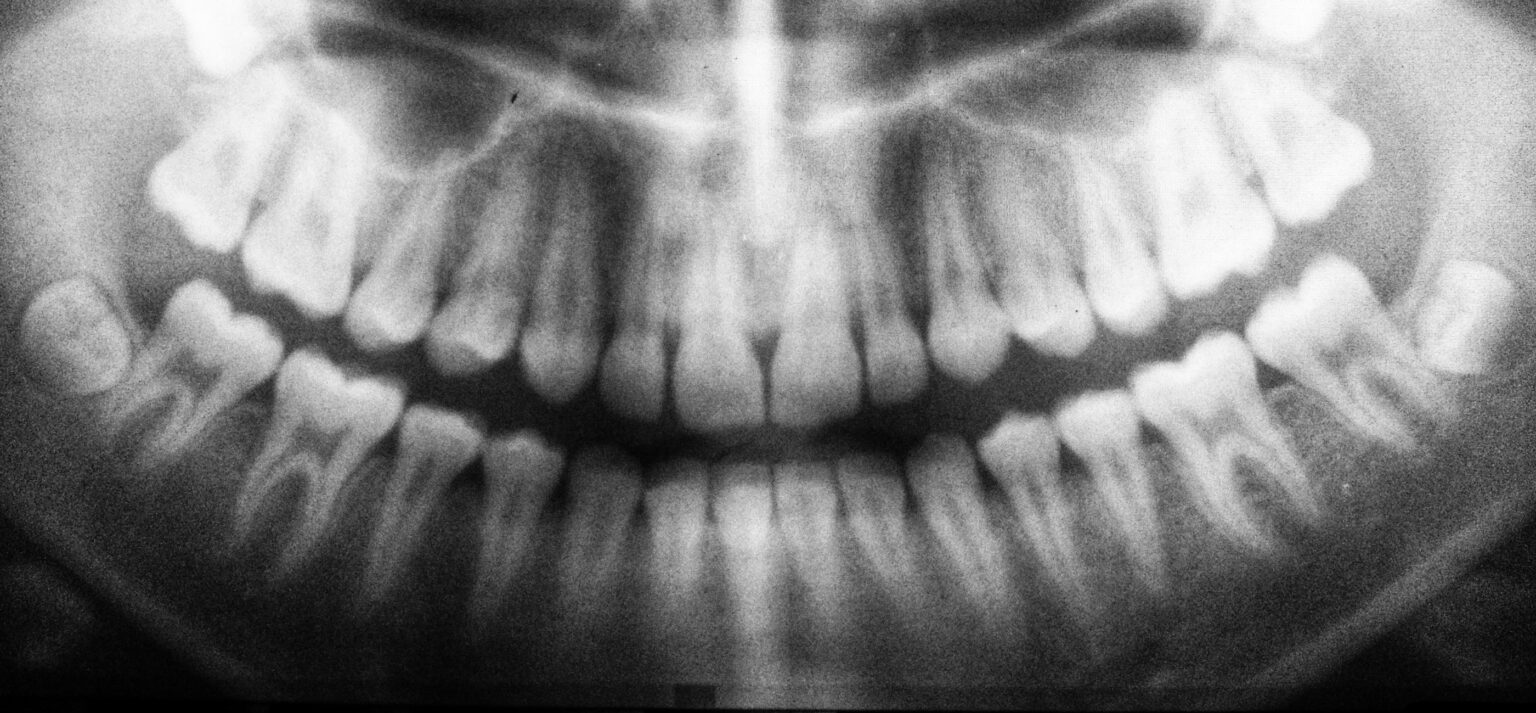
If you are planning orthodontic treatment, one of the most common questions is whether wisdom teeth need to come out first. It is a reasonable concern. By the time many people consider braces, they are either in their teens with third molars still developing, or adults who already have wisdom teeth that are partly erupted, impacted, or occasionally troublesome. Add braces to the picture, and it can feel like one more decision layered onto an already expensive and time-sensitive process.
The short answer is no, wisdom teeth removal is not automatically necessary before braces. In some cases it is recommended, in some it is postponed, and in plenty of cases it is not needed at all. The right decision depends on how the wisdom teeth are developing, how much space exists in the jaw, whether there is disease or discomfort, and what kind of tooth movement the orthodontist is planning.
This is one of those topics where older assumptions still linger. For years, many people were told that wisdom teeth would inevitably crowd the front teeth and ruin orthodontic results. That idea has been repeated so often that patients still arrive expecting extraction to be part of the routine. Real treatment planning is more nuanced than that. Orthodontists and oral surgeons look at the position of the third molars, the bite, the roots of neighboring teeth, the patient’s age, and the long-term risks. A blanket rule does not serve anyone well.
Why this question comes up so often
Braces work by moving teeth through bone over time. That process requires careful planning, especially if the arches are already crowded or the back of the mouth is tight. Wisdom teeth, also called third molars, are the last teeth to develop and usually appear in the late teens or early twenties, though timing varies widely. Because they sit so far back, they can create uncertainty during orthodontic planning even when they are not yet visible in the mouth.
Patients often hear two competing messages. One is that wisdom teeth must be removed to make room for braces. The other is that they do not matter at all. Neither statement is consistently true. A teenager with deeply developing third molars and no signs of trouble may start braces without any need for surgery. An adult with partially erupted, inflamed lower wisdom teeth that trap food and bacteria may be advised to remove them before orthodontic appliances go on. The recommendation follows the anatomy and the treatment goals, not a script.
A practical example helps. Imagine a 16-year-old with moderate crowding in the front teeth, healthy gums, and wisdom teeth that are still high in the jawbone and angled reasonably well. In that situation, the orthodontist may proceed with braces and simply monitor the third molars with periodic imaging. Now compare that with a 24-year-old whose lower wisdom teeth are mesioangular, meaning tilted forward into the second molars, with repeated gum swelling in the area. If braces are planned, those lower thirds may be removed first because they already pose a problem separate from the orthodontics.
What orthodontists actually evaluate
The decision about wisdom teeth removal before braces starts with records, not assumptions. A thorough orthodontic exam typically includes photographs, dental impressions or scans, and X-rays. A panoramic X-ray is especially useful because it shows the entire mouth, including third molars, jaw position, and root angulation. In some situations, a 3D scan may also be used to clarify proximity to nerves or adjacent roots.
What matters is not just whether wisdom teeth exist, but how they are behaving. A third molar may be fully buried in bone and harmless. Another may be partly erupted with a flap of gum tissue over it, leading to recurrent irritation or infection. A third may be angled into the second molar in a way that threatens the neighboring tooth with decay, root damage, or periodontal problems.
Orthodontists also consider timing. If braces will last 18 to 30 months, a wisdom tooth that looks quiet at the beginning may change position during treatment. That does not always mean it should be removed preemptively, but it may influence the monitoring plan. Similarly, if the patient is nearing an age when wisdom teeth commonly become symptomatic, that can affect the discussion.
One point patients often miss is that braces and wisdom teeth are separate issues unless they directly intersect. Braces align teeth and correct bite relationships. Wisdom teeth are evaluated for eruption path, health, and impact on neighboring structures. Sometimes those tracks overlap. Sometimes they barely touch.
The myth about wisdom teeth causing front tooth crowding
Few topics in dentistry have generated more persistent misunderstanding than the idea that wisdom teeth push the rest of the teeth forward like a battering ram. Patients say this all the time: “My lower teeth got crooked because my wisdom teeth came in.” It sounds plausible, but the evidence does not support wisdom teeth as the main driver of late lower incisor crowding.
Teeth can shift over time for many reasons. The front lower teeth are particularly prone to mild crowding with age, even in people who never develop wisdom teeth at all. There are changes in jaw growth, soft tissue pressure, bite forces, and natural settling. Retainer wear also matters. Anyone who has finished braces and then become inconsistent with retainers has seen how quickly alignment can drift.
That said, wisdom teeth can still create local problems. They can contribute to pain, food trapping, inflammation behind the second molars, or damage where they lean into adjacent teeth. The key distinction is between a broad claim that they cause front crowding and a narrower, more defensible claim that certain wisdom teeth can be unhealthy or poorly positioned and therefore worth removing.
This distinction matters because it changes the conversation from fear to planning. Patients do better when they understand that extraction is recommended for a reason they can see and discuss, not because of an old rule that applies to everyone.
When removal before braces does make sense
There are clear situations where wisdom teeth removal before braces is reasonable and often advisable. The most common is existing pathology or repeated symptoms. If a wisdom tooth is causing pericoronitis, which is inflammation around a partly erupted tooth, the area may flare repeatedly. Trying to clean around brackets and wires while that tissue keeps swelling is frustrating for both patient and clinician.
Another common reason is risk to the second molars. A wisdom tooth that is tilted forward can press into the tooth in front of it. Over time, that contact point can be hard to clean and may lead to decay or bone loss. In some patients the concern is not pain, but quiet damage visible on imaging. If braces are planned, it often makes sense to address that problem first rather than work around it.
Space and mechanics can matter as well. Orthodontists do not usually remove wisdom teeth simply to “create room” in the traditional sense for front-to-back alignment, because third molars sit too far back to function like easy reserve space. Still, there are cases where their presence complicates molar movement, distalization mechanics, or the intended bite correction. That is more likely in comprehensive treatment planning where back teeth need to move or settle in a specific way.
Age and healing are also part of the judgment. Younger patients, especially in the mid to late teen years, often recover more easily from wisdom teeth extraction than adults in their thirties or forties. If the teeth are clearly headed toward trouble, some clinicians prefer to remove them before or during orthodontic treatment rather than waiting for a more difficult surgery later. The emphasis there is not urgency for its own sake, but choosing the moment that makes the overall treatment smoother.
When it is usually not necessary
Many patients start braces without touching their wisdom teeth. That is common and often appropriate. If the third molars are still developing high in the jaws, are not interfering with the orthodontic plan, and show no evidence of disease, there may be no benefit to early removal. Surgery has costs and recovery time. It should solve a problem, not merely satisfy a tradition.
This is especially true in younger adolescents. A 12- or 13-year-old may have third molar buds visible on X-ray, but it can be far too early to know whether they will erupt normally, remain impacted, or become an issue at all. Removing them preemptively at that stage is rarely the starting point unless there is a specific concern.
Adults with fully erupted, functional wisdom teeth can also be good examples of when no action is needed. Some people have enough jaw space, good cleaning access, and healthy gum tissue around those teeth. If they are stable and symptom-free, there is no automatic reason braces should change that. The presence of a third molar is not itself a diagnosis.
The timing question: before, during, or after braces
If removal is recommended, patients naturally ask when it oxdentistry.com Wisdom Teeth Removal should happen. There is no universal answer. The timing depends on the reason for extraction, the urgency, and how it fits the orthodontic sequence.
Before braces is often preferred when the wisdom teeth are already problematic. This avoids scheduling a surgical recovery around active orthodontic adjustments and reduces the chance that inflamed tissue in the back of the mouth will complicate oral hygiene. It can also make early molar banding or distal tooth movement more straightforward in selected cases.
During braces is sometimes perfectly manageable. If wisdom teeth become symptomatic midway through treatment, they can often be removed without disrupting the overall plan. Orthodontists and oral surgeons coordinate around wire changes, sore periods, and healing time. Many patients do well with this approach, especially if the issue was not obvious at the beginning.
After braces is also common, particularly when the third molars are being monitored rather than driving the initial plan. An orthodontist may complete alignment and then reassess the wisdom teeth once the bite is settled. This can make sense if the teeth were immature at the start or if there was no compelling reason to intervene earlier.
The right timeline is less about finding the “correct” stage and more about reducing avoidable complications. If a wisdom tooth is likely to create a nuisance during braces, earlier removal may spare trouble. If it is quiet and uncertain, observation may be the smarter choice.
What the consultation should cover
A good consultation leaves you with more than a yes or no. You should understand why the recommendation is being made and what would happen if you chose to wait. In practice, these are the questions worth asking:
- Are my wisdom teeth causing a current problem, or are we making a preventive decision?
- Do they affect the orthodontic mechanics, or are they unrelated to how my braces will work?
- What are the risks of keeping them for now?
- If we delay removal, how will we monitor them during treatment?
- Is recovery likely to interrupt school, work, sports, or orthodontic appointments?
Those answers often reveal whether the plan is individualized or reflexive. A thoughtful orthodontist can usually point to the imaging and explain the concern in plain terms. If the explanation feels vague, it is reasonable to ask for clarification or even seek a second opinion, especially when surgery is being proposed without symptoms or obvious pathology.
Recovery and practical planning
From a practical standpoint, wisdom teeth removal can be more or less inconvenient depending on the stage of orthodontic treatment. Braces already make the mouth feel tender at times. Adding extractions means a few days of swelling, limited chewing, and temporary disruptions in brushing around the surgical area. Most healthy young patients recover steadily within several days, though full tissue healing takes longer and experiences vary.
If removal is done before braces, many clinicians like to leave enough time for initial healing before appliances are placed. That might be a week or two in straightforward cases, sometimes longer if the extractions were difficult or the patient needs more recovery time. If removal happens during braces, the orthodontist may adjust appointment timing so the patient is not dealing with a tightening visit and post-op soreness at the same time.
Patients who play contact sports, sing, travel frequently, or have exams coming up should mention it. These details matter more than people think. One well-timed procedure often feels minor. One badly timed procedure can make the whole orthodontic experience feel harder than it needed to be.
Special cases that change the answer
There are a few situations where the recommendation can shift in either direction.
Patients with jaw discrepancies, impacted canines, or plans for jaw surgery often have more complex orthodontic treatment. In those cases, third molars are considered in the context of the entire surgical and orthodontic roadmap. Their presence may matter more because access, healing, and tooth movement are being coordinated with other procedures.
Periodontal health can also be a deciding factor. An adult with gum disease or reduced bone support around the back teeth may not tolerate a poorly positioned wisdom tooth as well as a younger patient with pristine tissue. The threshold for removal can be lower when the neighboring second molars are already vulnerable.
On the other hand, a patient with medical issues that complicate surgery, significant dental anxiety, or a very low likelihood of third molar problems may reasonably choose careful observation. Good treatment planning accounts for the whole person, not just the panoramic X-ray.
A word on second opinions
Patients sometimes worry that asking another orthodontist or oral surgeon will seem distrustful. In reality, second opinions are common and often helpful, particularly when the need for wisdom teeth removal is not obvious. Dentistry involves judgment. Two experienced clinicians may agree on the diagnosis but differ slightly on timing, especially if the tooth is borderline.
What matters is whether both opinions are evidence-based and tailored to your case. If one clinician says, “Everyone gets them out before braces,” and another walks you through the X-ray, the gum condition, and the pros and cons of waiting, you can tell which discussion is more useful. Precision beats habit every time.
So, is wisdom teeth removal before braces necessary?
For some people, yes. For many others, no. The decision should come from anatomy, symptoms, and orthodontic goals, not from a one-size-fits-all rule. Wisdom teeth that are infected, poorly positioned, damaging adjacent teeth, or likely to interfere with treatment are strong candidates for removal. Wisdom teeth that are healthy, quiet, and unrelated to the mechanics of braces often do not need to be touched before treatment starts.
The best outcomes usually come from coordination. When the orthodontist and oral surgeon communicate clearly, the patient gets a plan that respects both tooth movement and long-term oral health. That plan may involve early extraction, delayed extraction, or simple monitoring. All three can be correct in the right setting.
If you are facing this decision, ask to see your X-rays. Ask what problem the extraction solves. Ask what changes if you wait. Once those answers are on the table, the path tends to become much clearer.
Oxnard Dentistry
1730 E Gonzales Rd, Oxnard, CA 93036, United States
+1 805-307-8731
FAQ About Wisdom Teeth Removal
How painful is it to remove a wisdom tooth?
Local anesthetic numbs the area during extraction. Pressure may still be noticeable; tell the dentist if you feel pain. Soreness and swelling afterward are common. Follow the pain-control instructions provided for your situation.
How long is recovery for wisdom teeth extractions?
Recovery varies with the tooth position and complexity of the extraction. Some people resume routine activities quickly, while others need several days of rest. Soreness, swelling and jaw stiffness can last up to two weeks. Follow your clinician's aftercare and activity advice.
What are the risks of wisdom tooth removal?
Possible complications include dry socket, infection, persistent bleeding and changes in sensation from nearby nerve injury. Your dentist or oral surgeon should explain your individual risks before treatment. Seek prompt dental advice for bleeding that will not stop, fever, or severe or worsening pain and swelling.