Column · @wayloniytz947
Wisdom Teeth Removal Oxnard CA: Local Care for Safer Treatment Outcomes
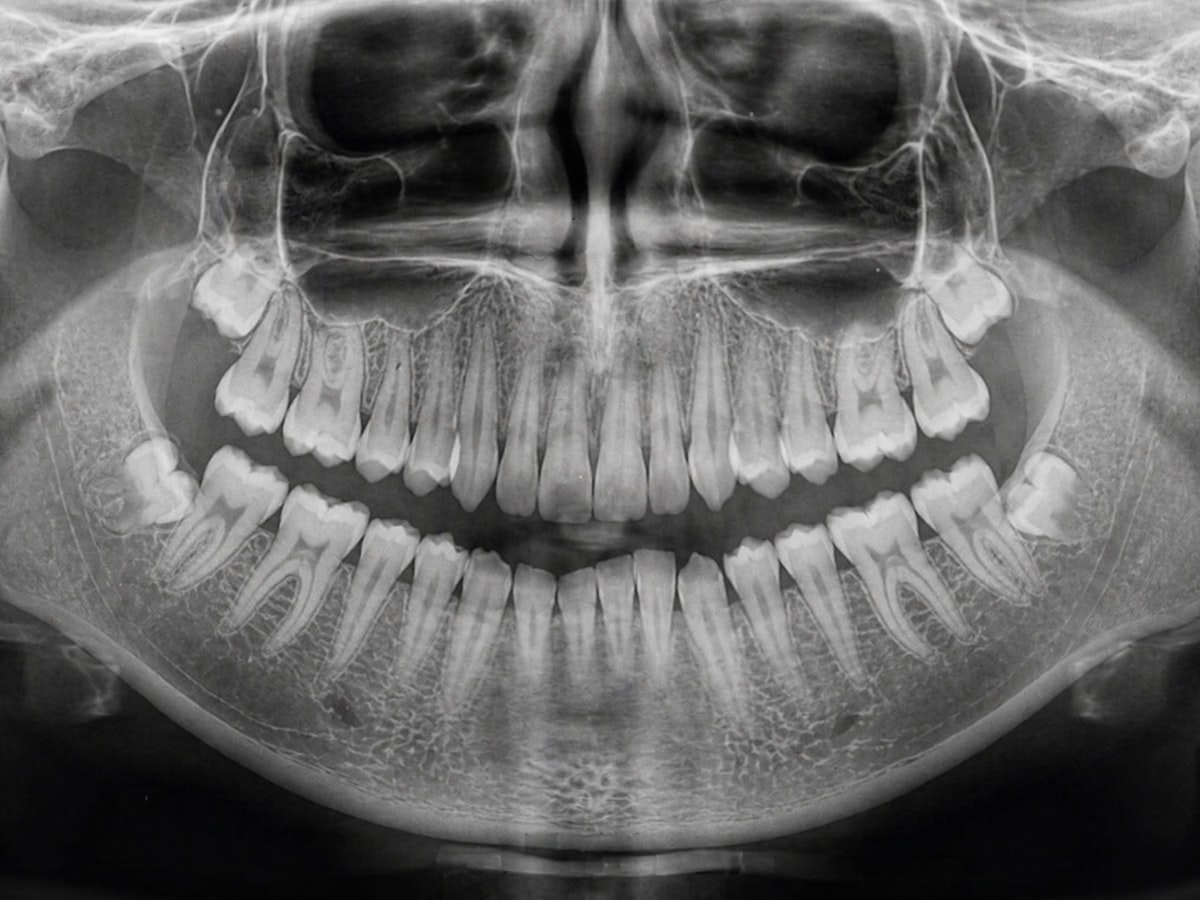
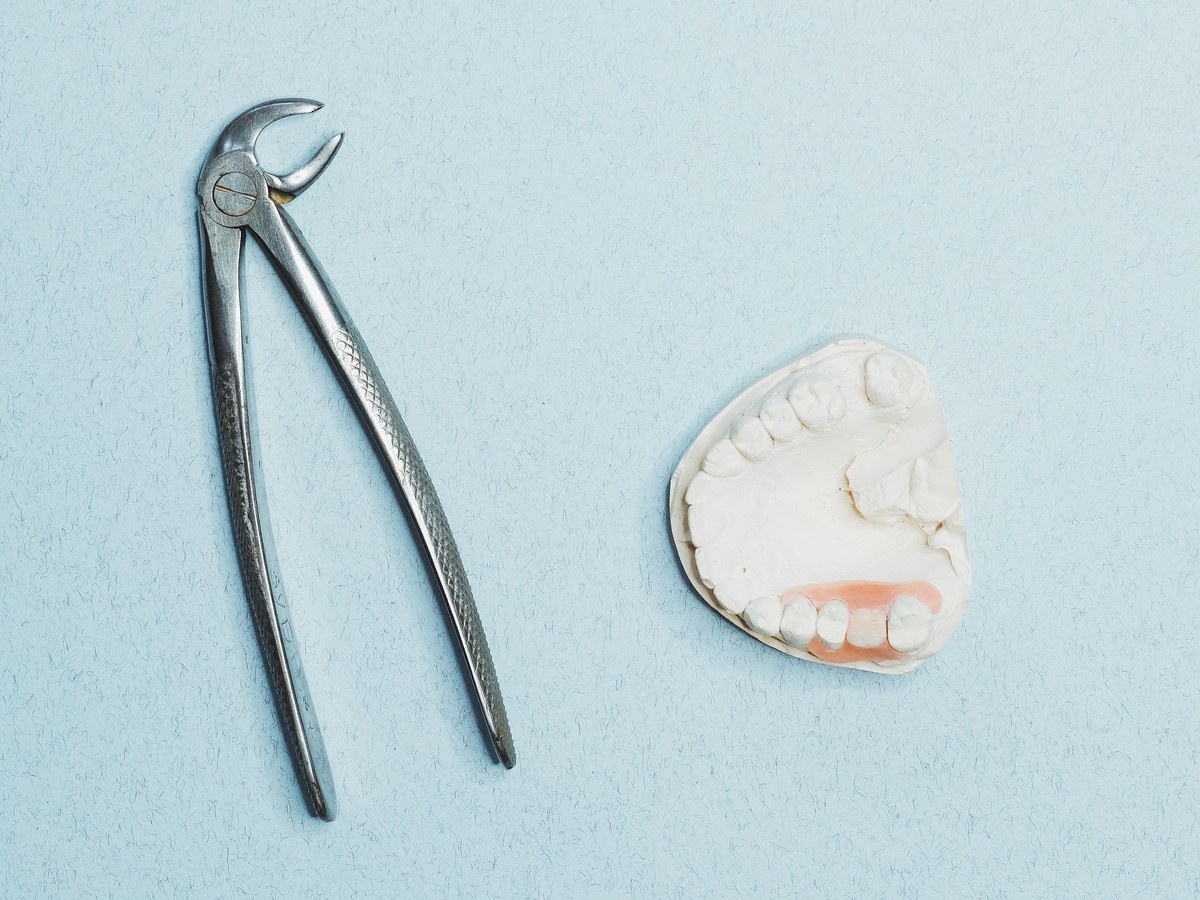
Wisdom teeth have a way of staying quiet until they do not. A patient can go years without trouble, then develop pressure, swelling, food trapping behind the back molars, or a sharp flare-up that seems to arrive overnight. In a coastal community like Oxnard, where many families try to balance work, school, sports, and healthcare appointments in the same week, wisdom tooth problems often become urgent at inconvenient times. That is one reason local access matters so much. When people search for Wisdom Teeth Removal Oxnard CA, they are not just looking for a procedure. They are looking for timely evaluation, sound judgment, and treatment that reduces risk rather than adding to it.
The phrase “wisdom teeth removal” sounds routine, and in many cases it is. Yet anyone who works around oral surgery knows there is a wide range of complexity behind that simple label. Some third molars erupt normally and can be removed with relatively little difficulty. Others remain buried in bone, press against neighboring roots, sit close to the lower jaw nerve, or create repeated infections under a flap of gum tissue. The difference between an uncomplicated removal and a challenging one often comes down to planning, imaging, surgical technique, and postoperative guidance. That is where local, experienced care improves the odds of a smooth recovery.
Why timing matters more than most people realize
The best wisdom tooth evaluations happen before pain forces the issue. Late teens and early twenties are common years for assessment because root development may still be incomplete, bone is often a bit more forgiving, and healing tends to be straightforward in healthy patients. That does not mean older adults cannot do well, because many do, but it does mean the decision-making changes with age. A 17-year-old with partially formed roots and crowding pressure presents a different picture than a 38-year-old whose lower wisdom tooth is fully developed and close to the nerve canal.
In practice, the timing question is rarely as simple as “remove all wisdom teeth early” or “wait until they hurt.” Some patients have enough space and favorable positioning that careful monitoring makes sense. Others show clear warning signs long before symptoms become severe. Recurrent inflammation around a partially erupted tooth, damage to the second molar, cyst-like changes around the crown, or visible decay in a hard-to-clean area can all shift the balance toward removal.
A common scenario in Oxnard offices involves a college student returning home during winter or summer break. They had occasional soreness at school, put off treatment during exams, and now want to resolve the problem while they have family support nearby. Local care can be especially helpful in these cases because follow-up is easier, prescriptions and aftercare are simpler to coordinate, and parents or partners can help with transportation and recovery.
The local advantage in Oxnard
Geography influences healthcare more than people sometimes admit. Choosing local care for Wisdom Teeth Removal Oxnard CA can improve treatment outcomes for practical reasons. The first is access. If swelling increases, bleeding seems excessive, or the patient has questions about healing, being able to return to the same office without a long drive matters. The second is continuity. A local team can review prior dental records, coordinate with the family dentist or orthodontist, and track healing in person rather than trying to manage complications from a distance.
There is also a quality-of-life component that should not be overlooked. Oral surgery recovery is rarely dramatic when things go well, but it still involves transportation limits, modified eating, and a day or two when patients are better off resting close to home. For parents of teenagers, a local practice means fewer logistics on surgery day. For adults juggling work shifts, it can mean less missed time and less stress.
Oxnard also has its own patient mix and scheduling realities. Agricultural workers, service employees, military families, students, and retirees may all need very different appointment structures and sedation discussions. Practices that serve the community day in and day out often develop systems that reflect those needs. That local familiarity may not show up on a website headline, but it can make the process more manageable from consultation through follow-up.
Not every wisdom tooth needs to come out, but many deserve a close look
One of the biggest misconceptions around third molars is that removal is automatic. It is not. The right decision depends on examination findings, symptoms, X-rays, gum health, cavity risk, and the tooth’s position in relation to nearby anatomy. Good clinicians do not remove teeth just because they exist. They weigh present disease against future risk.
Partially erupted lower wisdom teeth are among the most troublesome. They can create a pocket under the gum flap where bacteria collect, leading to repeated bouts of pericoronitis, a painful inflammation that often causes swelling, bad taste, and limited opening. A patient may get temporary relief with rinses or antibiotics, only to have the problem return a month later during finals, before a wedding, or just as they start a new job.
Impacted teeth are another concern. A tooth that remains trapped against the second molar may contribute to bone loss or decay on the tooth in front of it. That matters because preserving the second molar is usually more important than preserving a poorly positioned wisdom tooth. If leaving the third molar in place increases the chance of harming the healthier neighbor, removal becomes easier to justify.
At the same time, some deeply embedded wisdom teeth can remain stable for years. If they are fully covered by bone, show no sign of disease, and sit in a risky position relative to the nerve, observation may be reasonable. This is where individualized care matters. Blanket advice is easy. Judgment is harder, and more valuable.
What a careful consultation should cover
A strong consultation is not rushed. It should answer three questions clearly: what is happening now, what risks exist if the teeth stay in place, and what risks come with surgery. Patients deserve all three sides of that equation.
X-rays are central to the discussion. A panoramic image often gives the first broad view, showing tooth angulation, root shape, sinus location for upper teeth, and the path of the lower jaw nerve. In straightforward cases that may be enough. In more complex cases, especially when a lower wisdom tooth appears very close to the nerve canal, three-dimensional imaging may help clarify anatomy and reduce surprises.
The clinical exam matters just as much as the image. A tooth that looks tolerable on X-ray may still be collecting food, inflaming the gum, or damaging the soft tissue around it. Conversely, a dramatic-looking impaction may be silent and stable. Good treatment planning combines imaging with what the surgeon sees in the mouth and what the patient reports.
Patients should also be asked about medications, medical conditions, smoking or vaping, prior anesthesia experiences, and plans for transportation and recovery. These are not side issues. They directly affect safety. For example, nicotine use can complicate healing. Certain medications can increase bleeding risk. Sleep issues, anxiety, or a strong gag reflex may influence the sedation plan.
Sedation and anesthesia, comfort with a safety lens
Most people asking about wisdom tooth surgery are also asking, indirectly, “How uncomfortable will this be?” That is a fair question. Modern oral surgery offers several options, and the right choice depends on the difficulty of the extraction, the patient’s comfort level, medical history, and the provider’s training.
Local anesthesia alone can be enough for simple erupted wisdom teeth in calm patients. It keeps the area numb and allows recovery without grogginess. For more involved impactions, many patients prefer deeper sedation because it reduces awareness of pressure, sound, and time. Anxiety matters too. A technically simple extraction can still feel overwhelming to a nervous patient, and patient movement or tension can make surgery harder.
The safest approach is not always the deepest one. Sedation should fit the case, not the other way around. A healthy teenager having four impacted teeth removed may do well with a planned sedation appointment and a responsible adult escort. An older adult with significant medical conditions may need a more conservative approach or additional clearance from a physician. Good offices are transparent about these decisions and about preoperative instructions such as fasting rules, clothing guidance, and transportation requirements.
Surgical skill changes recovery, even when patients never see it
From the patient’s perspective, wisdom tooth removal begins in the chair and ends with ice packs and soft foods. From the surgical perspective, many small decisions shape what happens afterward. How the flap is designed, how much bone is removed, whether the tooth is sectioned into pieces, how the site is irrigated, and how the gum is closed can all affect swelling, stiffness, and healing.
This is one reason experience matters in local oral surgery care. The best technical work is often invisible to patients. They simply notice that recovery was easier than expected. That outcome usually reflects planning, tissue handling, and efficiency. Surgery that is gentle and deliberate tends to produce less postoperative drama than surgery that is rushed, overly traumatic, or poorly matched to the anatomy.
I have seen the difference in real patient stories. One young adult delayed treatment until a lower wisdom tooth caused repeated gum infections and a cavity on the second molar. By the time he finally scheduled surgery, the procedure was still manageable, but it had become more extensive than it would have been a year earlier. Another patient came in early, before symptoms started, with roots only partly formed and favorable anatomy. Her recovery was uneventful, and she was back to normal activity quickly. Timing did not guarantee the outcome in either case, but it influenced the difficulty.
Risks patients should hear in plain language
Every surgical procedure has downsides, and patients deserve honest discussion. Most wisdom tooth removals heal without major complications, but that does not mean risk is zero. Swelling, soreness, bruising, limited jaw opening, and oozing for the first day are common and expected. Dry socket, while not dangerous, can be distinctly painful and may require a return visit for management. Infection is less common but possible. Upper wisdom teeth sit near the sinus, and lower wisdom teeth may be close to the inferior alveolar or lingual nerve, which raises the possibility of temporary numbness and, more rarely, lasting sensory changes.
What matters is not whether a provider promises a risk-free experience, because no one can do that honestly. What matters is whether the provider identifies patient-specific risks, explains them clearly, and modifies the plan accordingly. A patient whose lower roots overlap the nerve canal on imaging should hear that fact directly. They should also hear how the surgeon plans to reduce the risk, and whether options like staged treatment or careful monitoring have any role.
Patients should be equally realistic about recovery. Some people bounce back in forty-eight hours. Others need several days before they feel like themselves. Younger healthy patients often recover quickly, but age, complexity, smoking, hydration, and compliance with instructions all matter. Anyone planning surgery before a major work presentation, athletic event, or trip should build in more downtime than they think they need.
Recovery is often won or lost at home
Excellent surgery can be undone by poor aftercare. That sounds harsh, but it is true. The first twenty-four hours set the tone for healing. Bleeding control, gentle rest, hydration, and avoiding actions that disrupt the clot all matter. Patients who repeatedly rinse hard, spit forcefully, smoke, vape, or drink through straws too soon increase the chance of problems.
Food choices also influence comfort. Cool, soft meals are usually easier at first, but patients still need calories and fluids. Dehydration makes everything worse, from fatigue to nausea to headache. Pain control works best when patients follow the office’s instructions early rather than waiting until discomfort is severe. Many do well with a combination of prescribed or recommended medications taken on schedule for the first day or two.
The basics of smoother recovery are not glamorous, but they work:
- Rest with your head slightly elevated for the first day.
- Use ice as directed during the early swelling phase.
- Keep up with fluids and soft meals, even if appetite is reduced.
- Take medications exactly as instructed, before pain escalates.
- Call the office if bleeding, swelling, fever, or severe pain seems off-pattern.
That last point deserves emphasis. Patients sometimes avoid calling because they do not want to bother the office, or they assume severe pain is normal. It is better to check. A local practice can often tell quickly whether what you are experiencing is expected healing or a problem that needs attention.
Questions worth asking before you schedule
Many people choose a wisdom tooth surgeon based on the first available appointment. Availability matters, especially in pain, but it should not be the only factor. The consultation should https://deanndok558.wpsuo.com/a-complete-guide-to-wisdom-teeth-removal-oxnard-ca leave you with a clear sense of the office’s judgment, communication style, and safety standards.
A few focused questions can reveal a lot:
- How difficult do these teeth appear, and why?
- What type of anesthesia or sedation fits my case?
- What are the main risks in my specific anatomy?
- What should I expect during the first three days of recovery?
- If I have a problem after hours, how do I reach the office?
Those questions are simple, but they often separate a generic treatment pitch from a genuinely patient-centered discussion. Good answers are specific. They do not rely on vague reassurance alone.
The role of prevention, even when surgery is likely
There is an odd paradox with wisdom teeth. The best surgical outcomes often begin before surgery is ever scheduled. Routine dental visits, periodic X-rays when clinically appropriate, and early referrals help identify trouble while options remain open. Orthodontists often notice developing impactions first, but general dentists, pediatric dentists, and family practices play a key role as well. When communication between offices is strong, patients benefit.
Prevention also means not dismissing symptoms. A back molar area that repeatedly swells after food gets trapped is not “just one of those things.” A hard-to-clean wisdom tooth with new decay is not likely to become easier to maintain with time. Catching these issues early can mean simpler surgery and fewer downstream costs, both financial and biological.
For families in Oxnard, this is especially relevant during transition years. Teens leaving for college, young adults changing insurance, and busy parents managing care for several children at once can easily lose track of follow-up recommendations. Wisdom teeth tend to exploit those gaps.
Choosing care that fits the person, not just the X-ray
The strongest treatment plans account for anatomy, age, symptoms, schedule, support at home, and patient preferences. A high school athlete in season may need strategic timing. A nursing mother may want a careful medication discussion. A patient with significant dental anxiety may prioritize sedation planning and a calmer appointment environment. A middle-aged adult with one infected wisdom tooth and three deeply quiet ones may not need the same approach as a 19-year-old with four partially impacted teeth.
That is why local evaluation remains so valuable. When people search for Wisdom Teeth Removal Oxnard CA, they are often trying to solve both a dental problem and a logistics problem. They want a provider who can assess the true need for surgery, explain options without pressure, and support recovery close to home. Those are sensible priorities. Oral surgery goes better when the care team knows what they are treating, who they are treating, and what safe healing will require over the next several days.
Wisdom teeth are common, but they are not trivial. The right local care can mean the difference between recurring infections and a clean resolution, between vague uncertainty and a clear plan, between avoidable complications and a recovery that stays within the normal bumps of healing. For patients in Oxnard, that is the real value of seeking thoughtful, experienced treatment nearby.
Oxnard Dentistry
1730 E Gonzales Rd
Oxnard, CA 93036, United States
Phone: +1 805-307-8731
FAQ About Wisdom Teeth Removal Oxnard CA
How much does it cost to get wisdom teeth removed in California?
Fees depend on tooth position, the number of extractions, imaging and anesthesia. Oxnard Dentistry can provide an individual estimate after examining your teeth. Ask for an itemized plan and confirm insurance benefits before scheduling.
Will insurance cover wisdom teeth removal?
Coverage and out-of-pocket costs vary by policy and the treatment required. Ask the dental office and your insurer to verify benefits, annual limits and any authorization requirements. A benefit estimate does not guarantee payment.
Is 30 too old to have wisdom teeth removed?
Age alone does not determine whether extraction is appropriate. A dentist evaluates symptoms, tooth position, oral health and medical history. Healthy, functional wisdom teeth may be monitored; teeth causing disease or other problems may need treatment.